Tolling
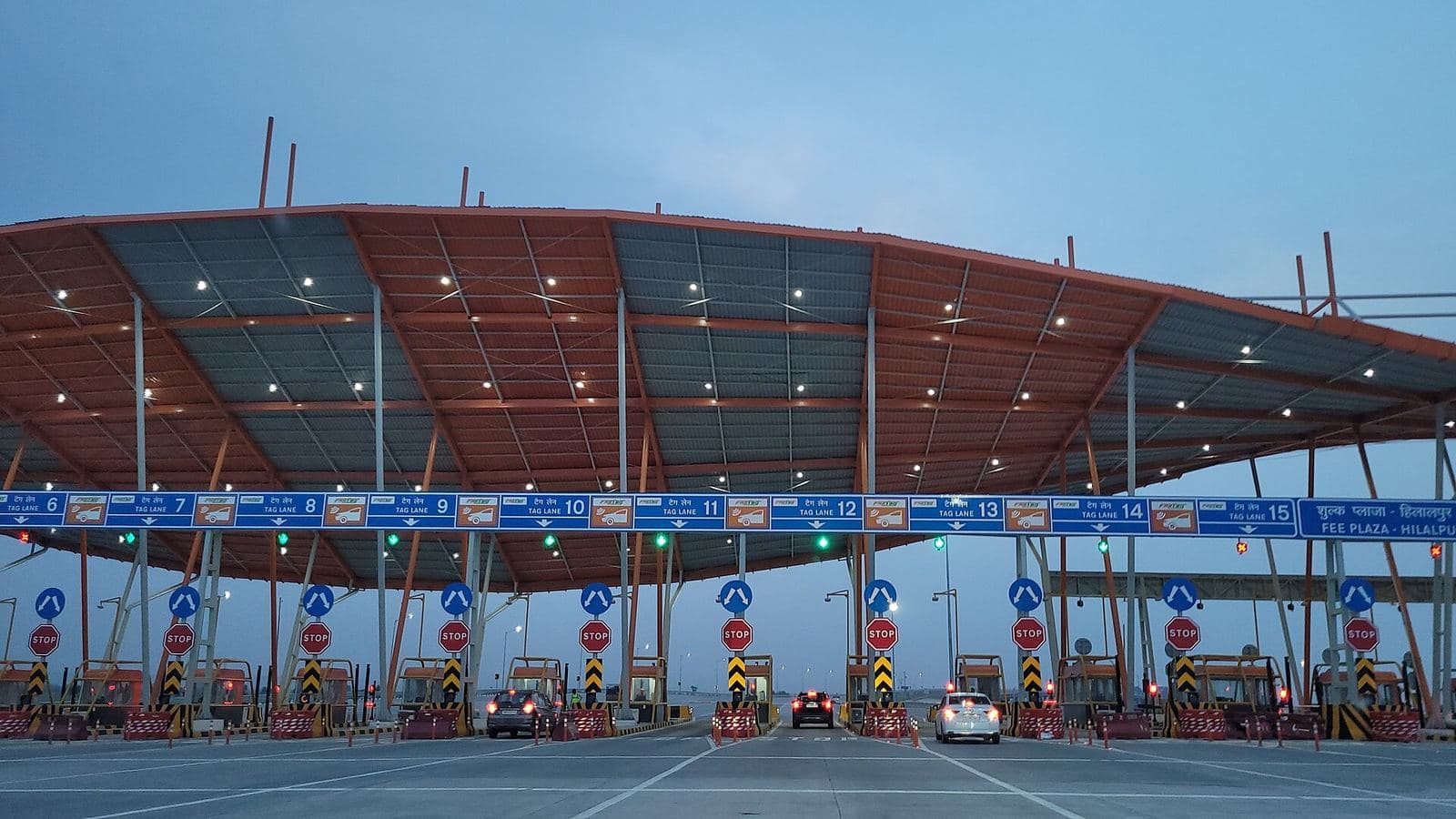
A vehicle enters a toll road.
The vehicle is identified at the gantry, the corridor rate is resolved for its class, and the charge is settled to the concessionaire.
We build the financial technology infrastructure that connects people, vehicles, devices and machines to the world of transactions.
Digital payments changed the way people transact. The next transformation goes further: each of these physical interactions is a financial event waiting to happen.
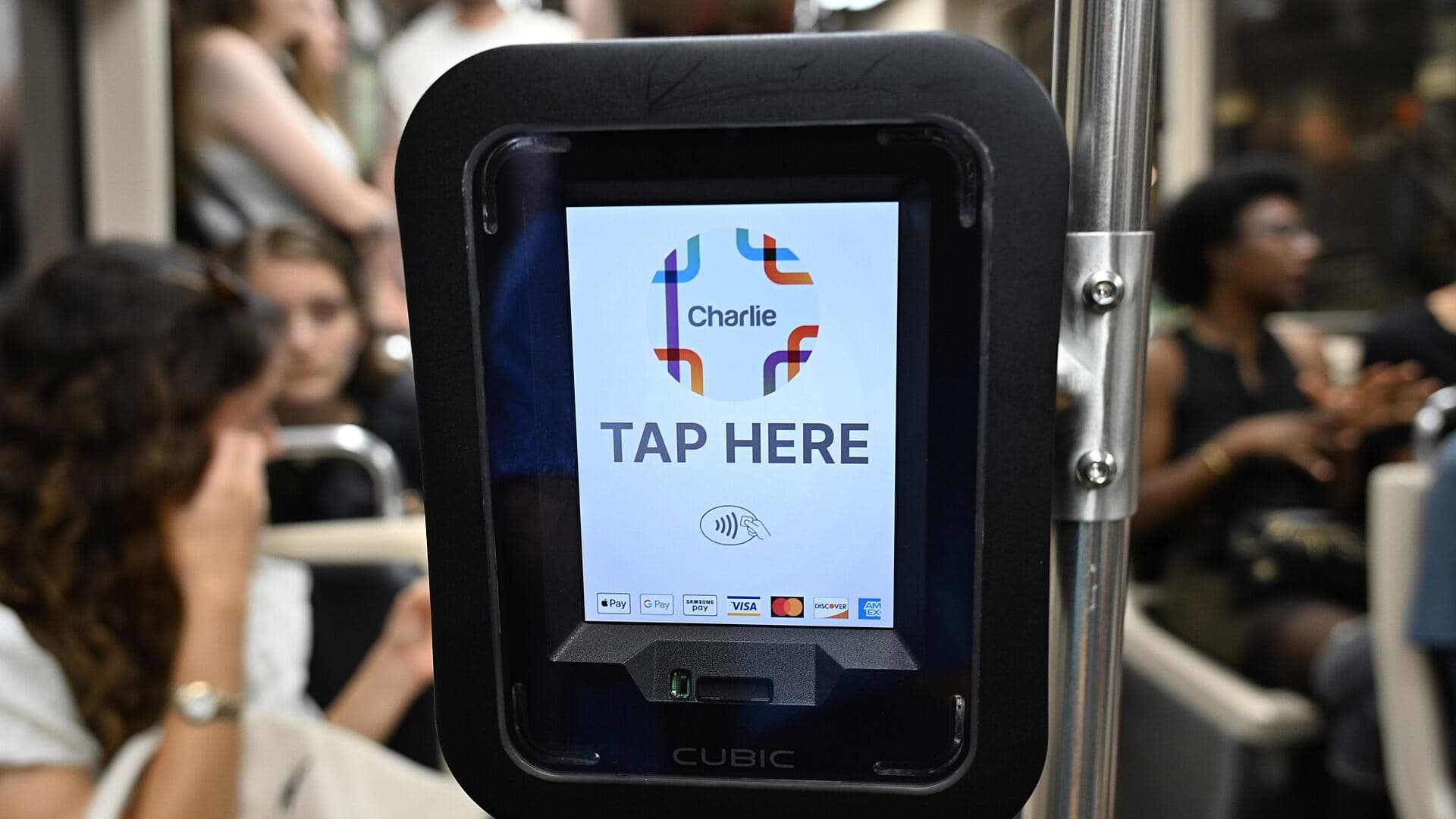
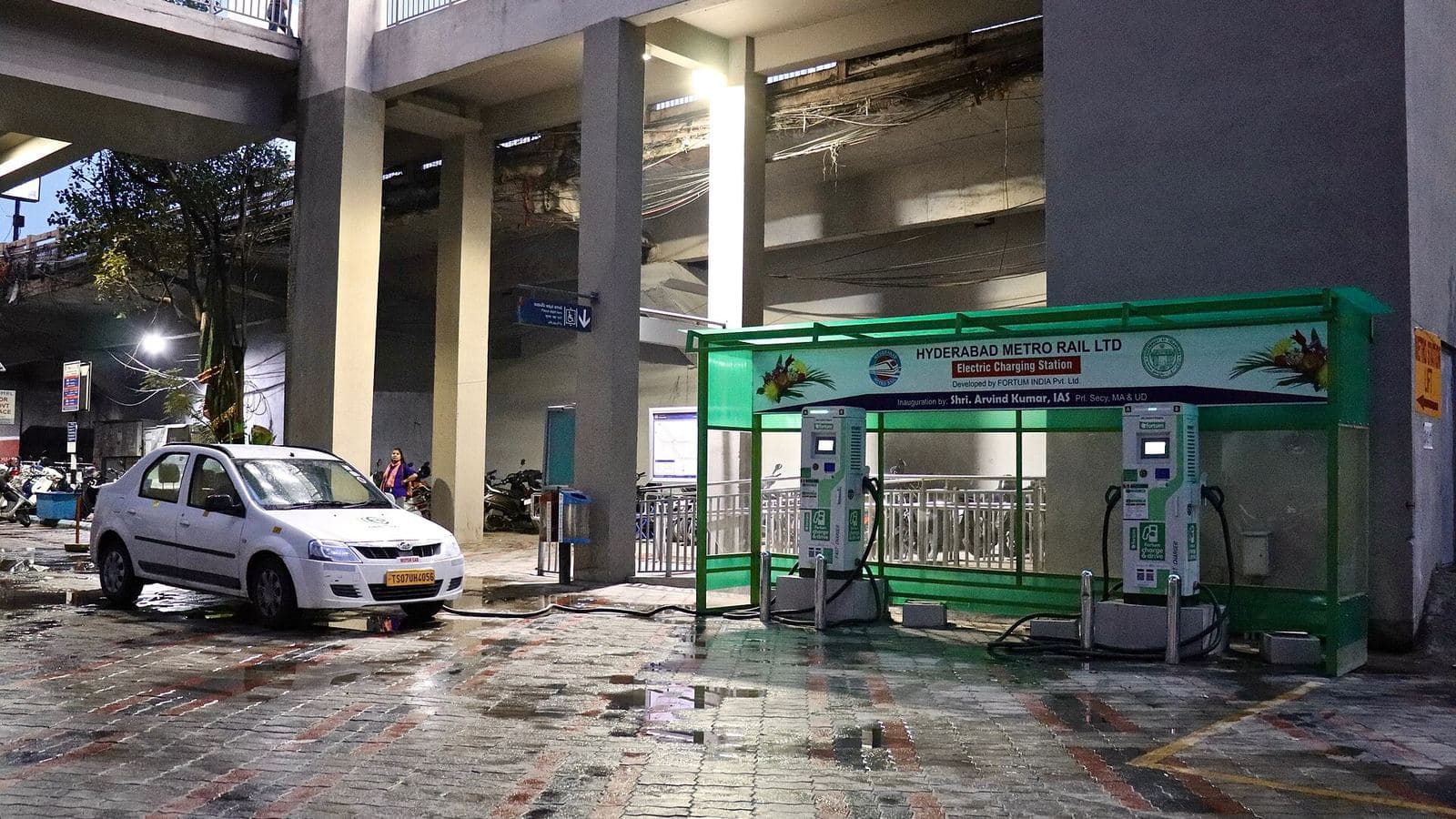
From payment at the point of interaction to payment embedded within the interaction.
We bring together the technologies required to take a transaction from the physical world all the way to financial settlement.
Explore the platformIdentity is no longer limited to usernames and cards. Digital credentials, computer vision, vehicle recognition and device identity establish trust at the point of interaction, for a person or a machine alike.
Transactions increasingly begin at the edge. Physical endpoints become intelligent transaction endpoints, able to authorise locally when the network is unavailable.
A unified transaction engine orchestrates financial interactions across national rails, smart cards, closed-loop instruments and machine-initiated microtransactions.
A single amount collected at a gate may be owed to five parties on five different terms. Fare calculation, entitlements, clearing, revenue sharing and settlement are the financial logic underneath.
A payment record states an amount. Infrastructure at the point of interaction can state the whole event: who, what, where, which asset, what price, and who should ultimately be paid.
Intelligence layerAI becomes part of the financial decision rather than a report produced afterwards. Is this genuine, is this concession valid, is the correct amount being charged, is revenue leaking.
Financial AI layerA payment record tells you an amount. Infrastructure that sits at the point of interaction can tell you the whole event.
₹500 was paid.
Amount, timestamp, instrument. No entity, no entitlement, no asset, and no basis for splitting the money between the parties owed it.
See the intelligence layerThat context turns payment data into transaction intelligence.
The internet connected billions of people. IoT connected billions of devices. The next step is giving those connected entities the ability to participate economically.
The same identity, transaction and settlement layer, applied to the economics of each sector.
All industries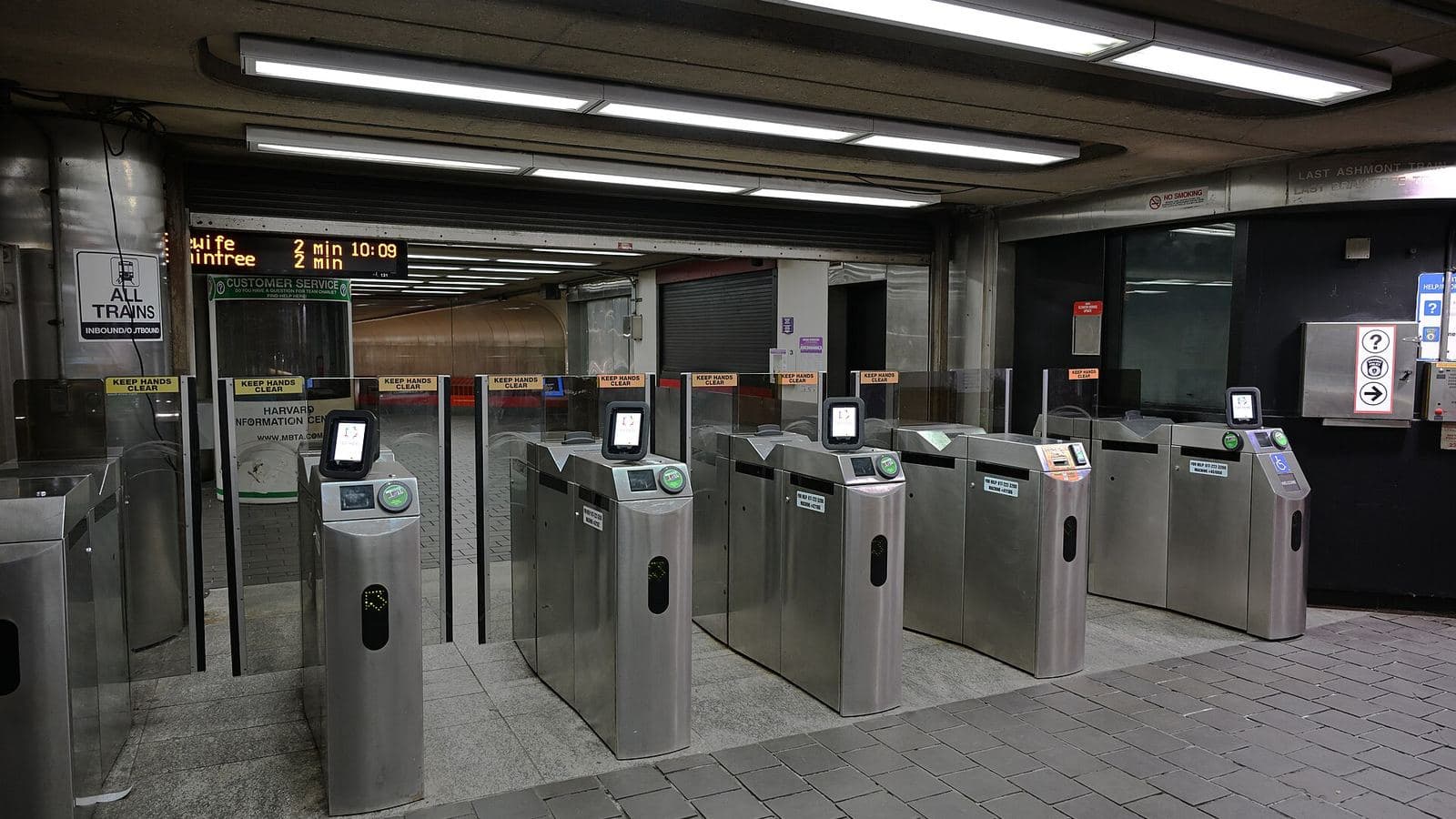 MobilityTransit ticketing, account-based mobility, NCMC, tolling, parking and EV charging.AutomotiveVehicle identity and vehicle wallets for tolls, parking, charging, fuel and fleets.
 GovernmentCitizen payments, fees, benefits, concessions and municipal revenue collection.LogisticsFleet wallets, route transactions, driver expenses and multi-party settlement.UtilitiesEnergy, water and charging: metered consumption converted into settlement.
 Retail and physical commerceIntelligent POS, customer identity, computer vision and frictionless checkout.
Financial infrastructure for the physical world needs more than a payment gateway: vision at the edge, inference on-device, and processing that keeps working when the network does not. A single request carries the entity, the endpoint it presented to, the amount, and the terms on which that amount is divided.
Where people, vehicles, devices and machines interact economically with minimal friction. Each stage assumes the one before it.
None of them replaces the need for the layer underneath.
Tell us what you are building: a fare system, a vehicle wallet, a metered service, a connected terminal. We will show you which layers you need.