
Step 01
Identity presented
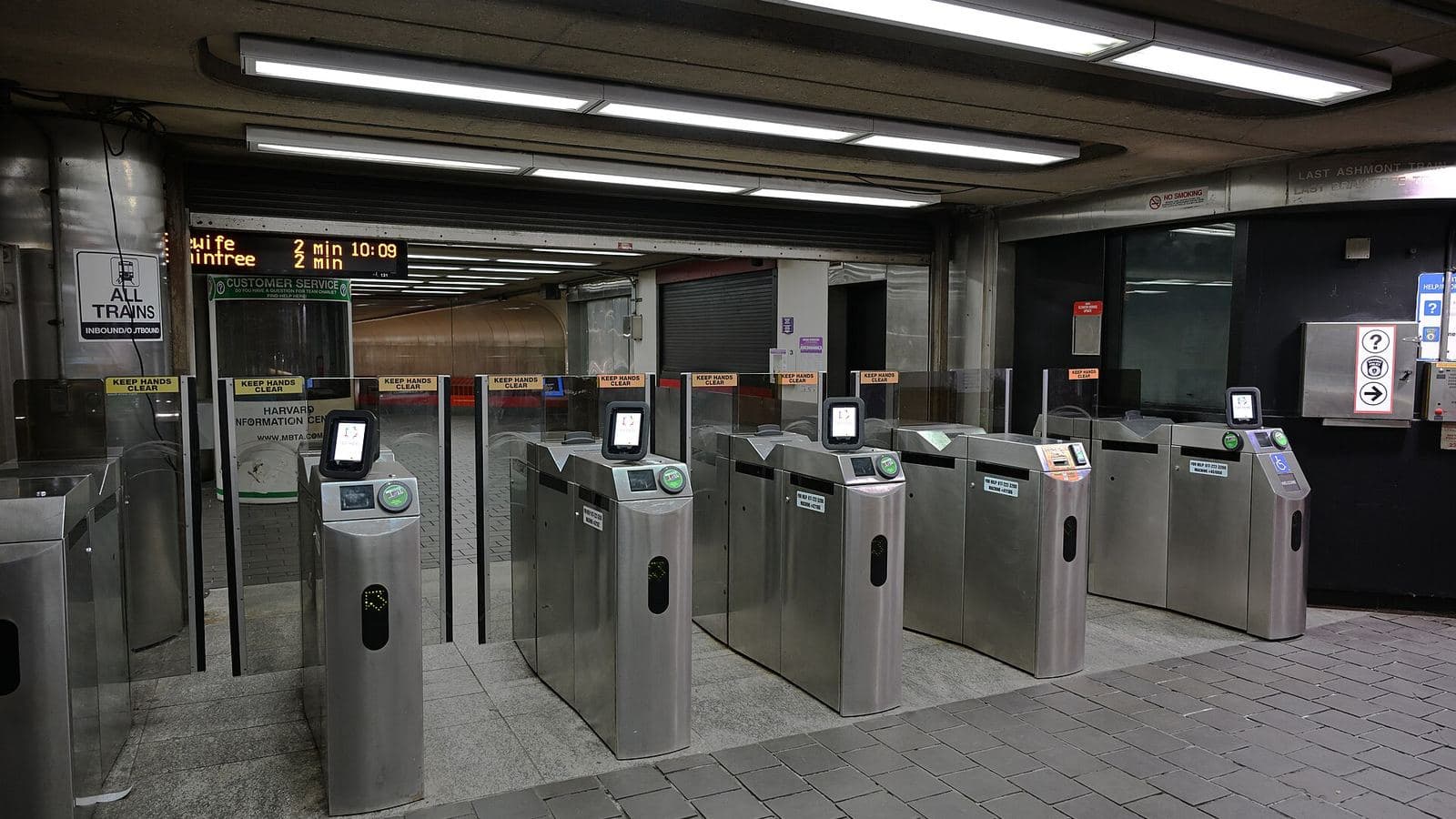
A citizen credential is read at the point of service.
Digital financial infrastructure for public services.
Infrastructure for municipal bodies, transport authorities and government agencies to collect fees, verify who is entitled to a concession, and split levies between departments — with an auditable record of every decision.
Each capability draws on the same identity, transaction and settlement layers. The sector determines the pricing rule and who is owed.
Fee and service payments accepted at the counter, the gate and online.
Student, senior and subsidised rates verified before the charge is applied.
Disbursement tied to the identity and the service actually consumed.
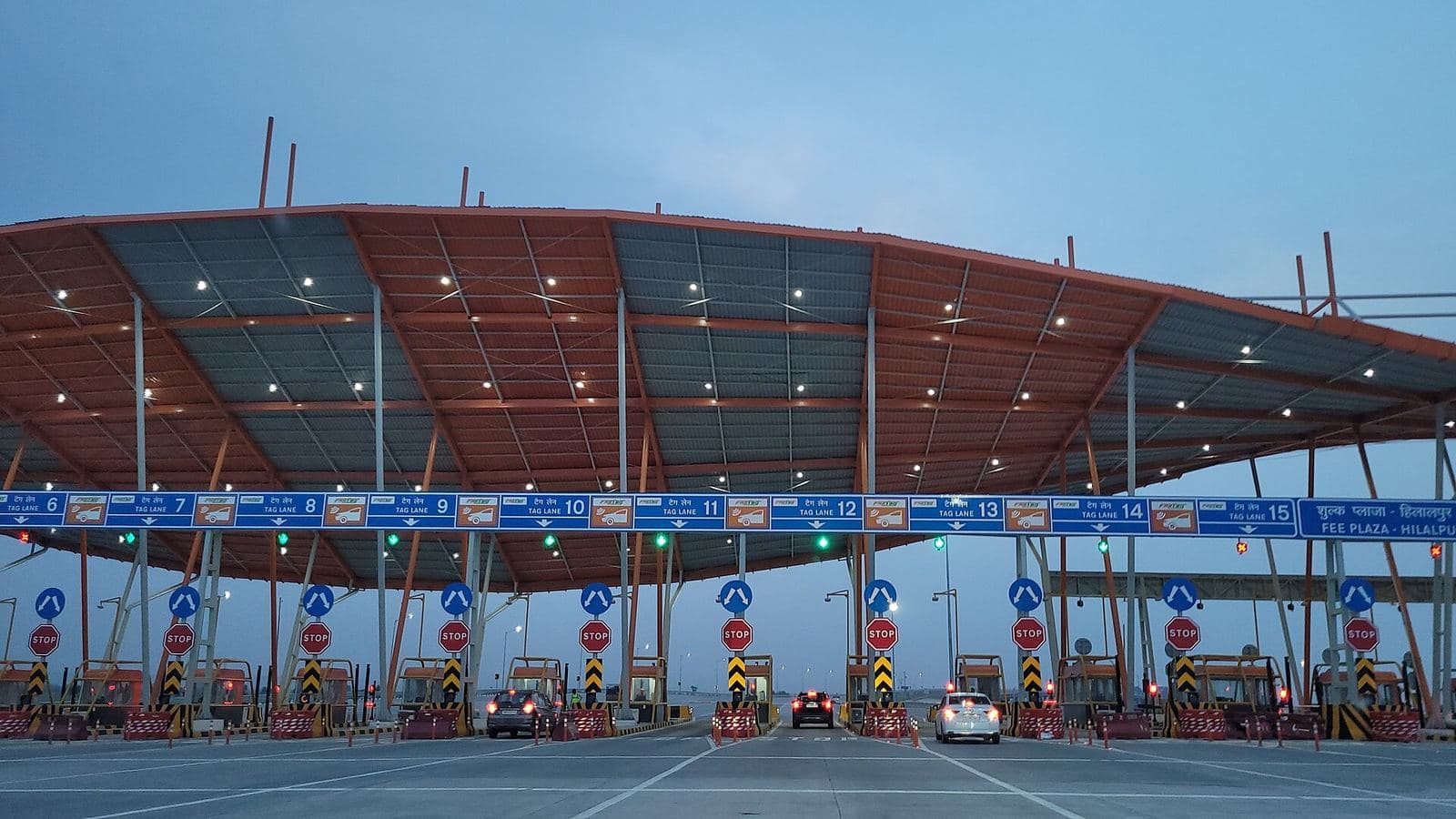
Direct-to-treasury settlement for tolls, municipal services and departmental fees.
Automatic distribution of levies between state, city and operator accounts.
Transaction records structured for government audit, security and data-residency requirements.
Fare policy, concessions and inter-operator settlement for state transport.
Parking, access, permits and utility charges on shared infrastructure.
Most sectors use three or four of the six layers. The rest are there when the scope grows.


Connecting identity, entitlement, service delivery and payment.
The shift in Government
Tell us the interaction you need to price and settle, and we will show you the shortest path through the stack.