Step 01
Trip begins
The vehicle carries its identity, its wallet and the rules governing what it may spend.
Financial transactions embedded into movement.
Freight movement generates spend at every stage — tolls, fuel, parking, facility access, driver allowances. Infrastructure that sits on the vehicle turns those into controlled, reconciled transactions instead of receipts collected after the fact.
Each capability draws on the same identity, transaction and settlement layers. The sector determines the pricing rule and who is owed.
Per-vehicle budgets with geofenced and category-level spend rules.
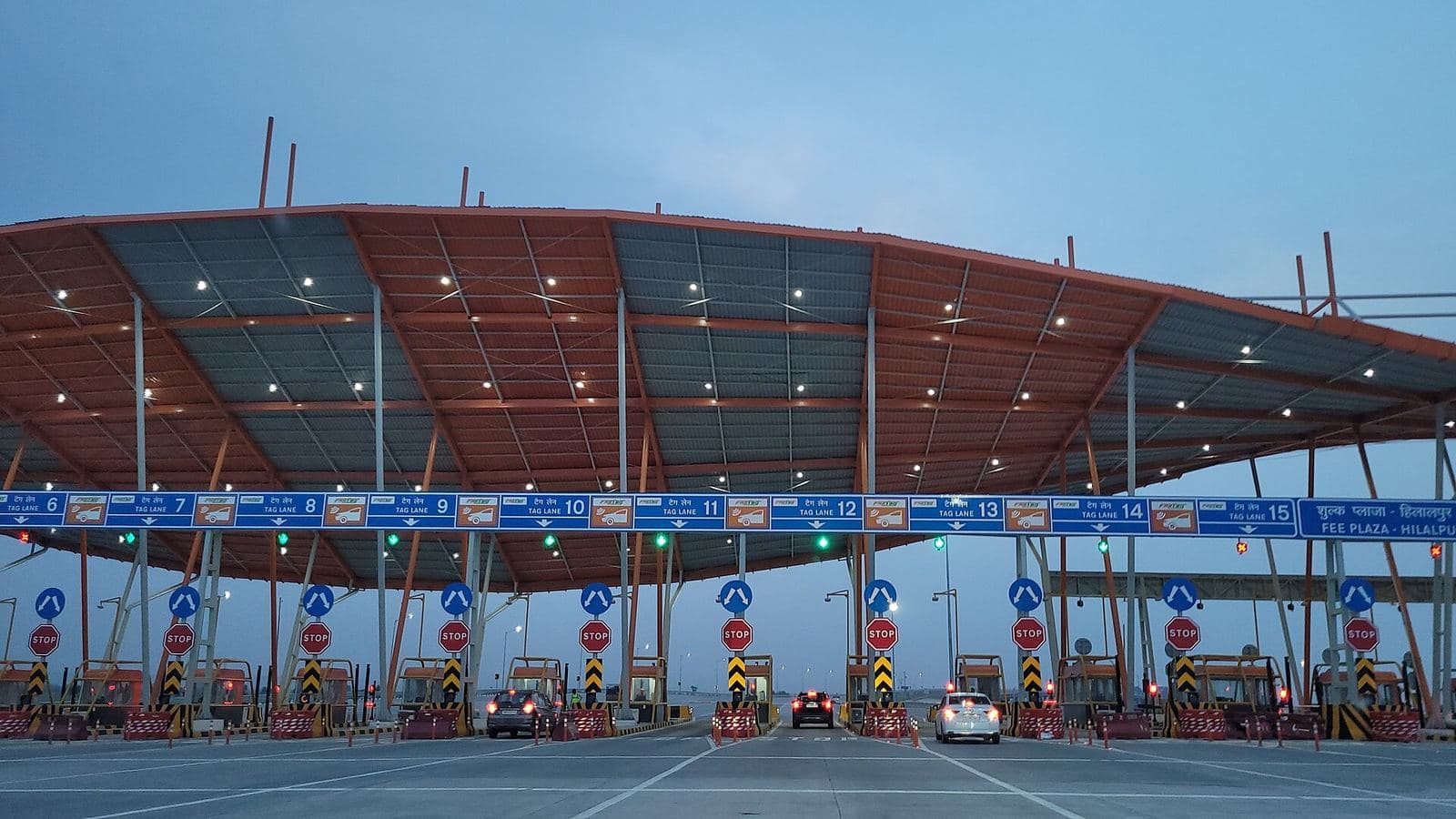
Corridor charges applied to the vehicle as it moves, not reconciled later.
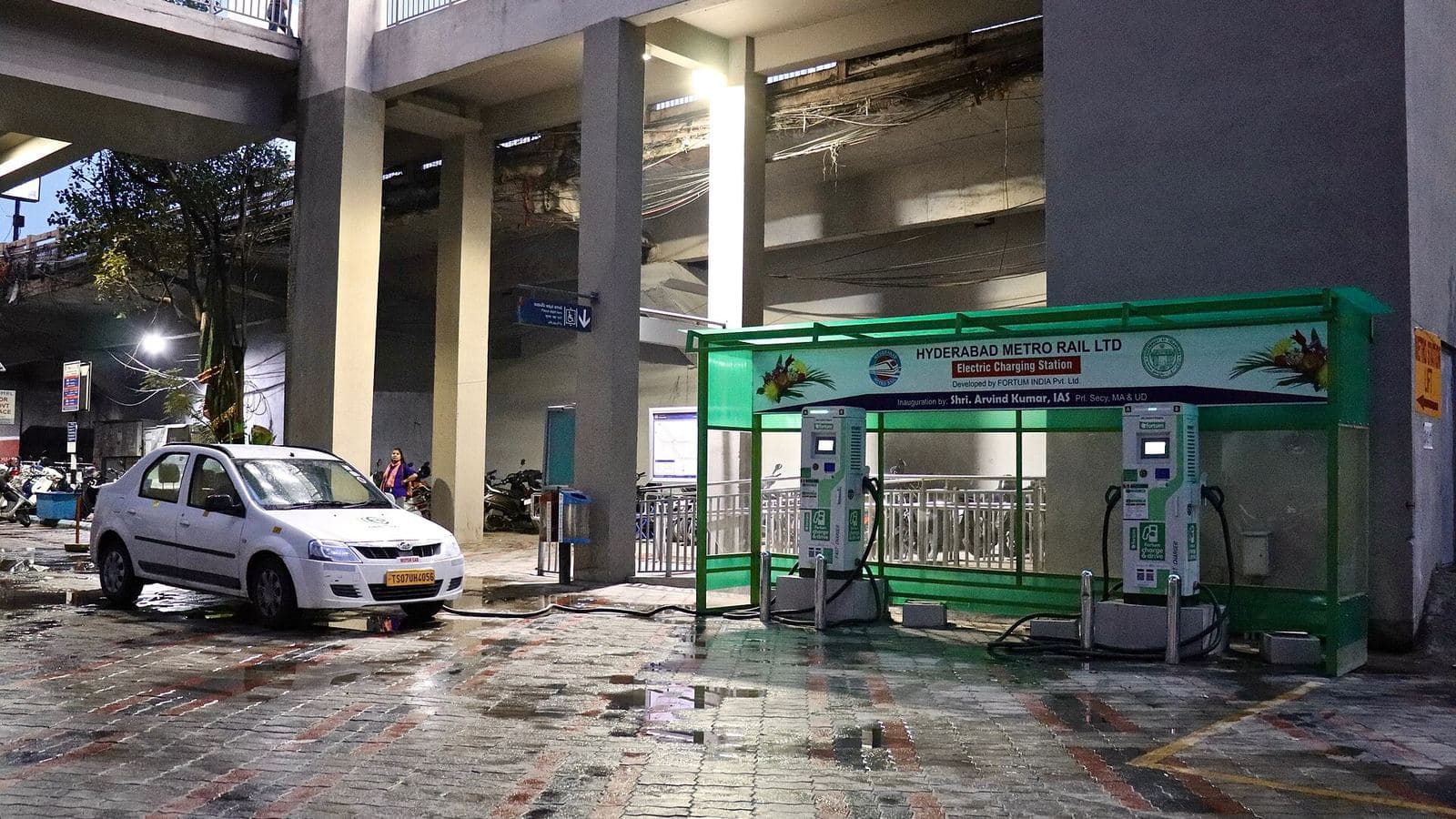
Forecourt authorisation bound to the vehicle and the trip.
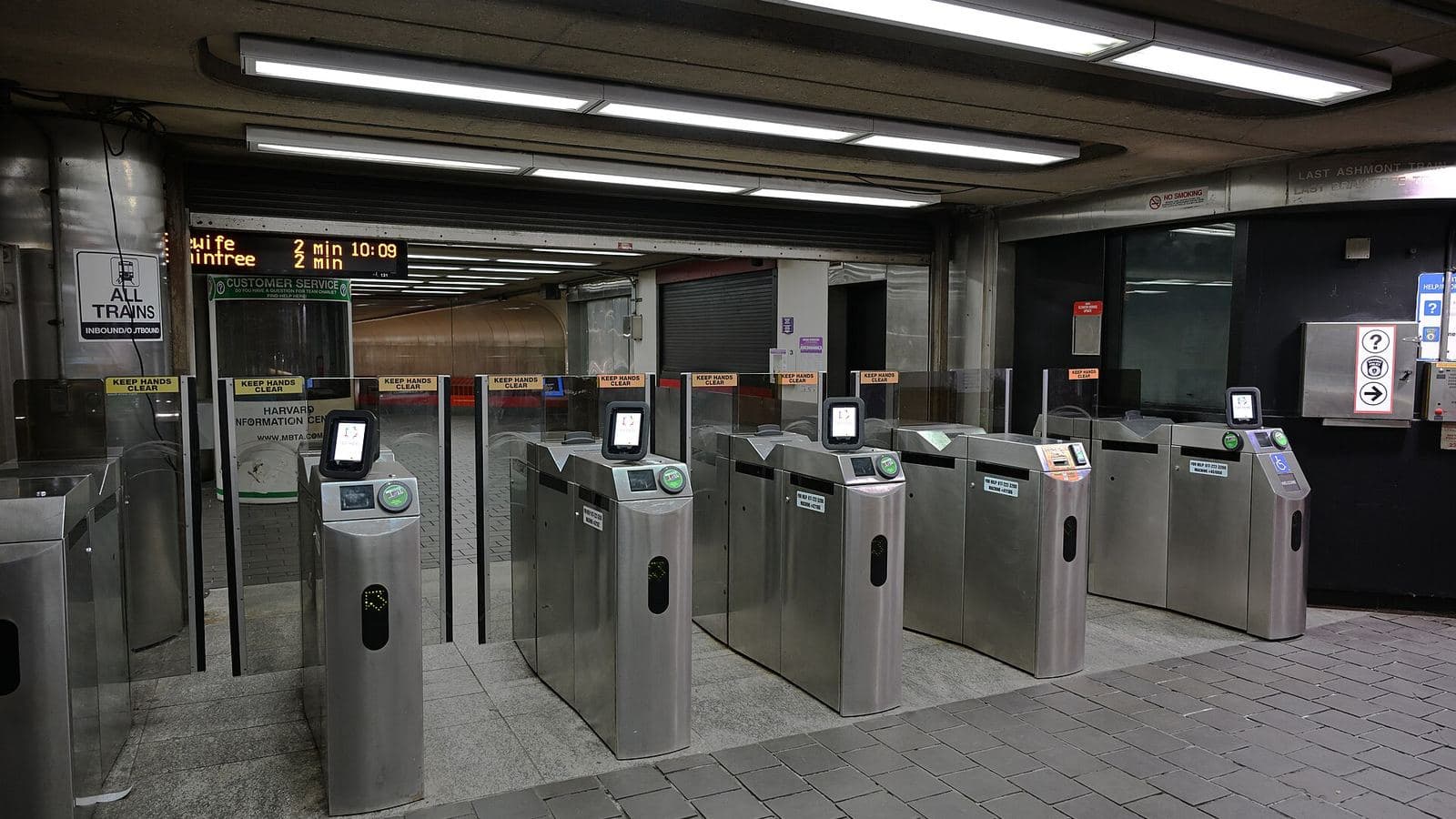
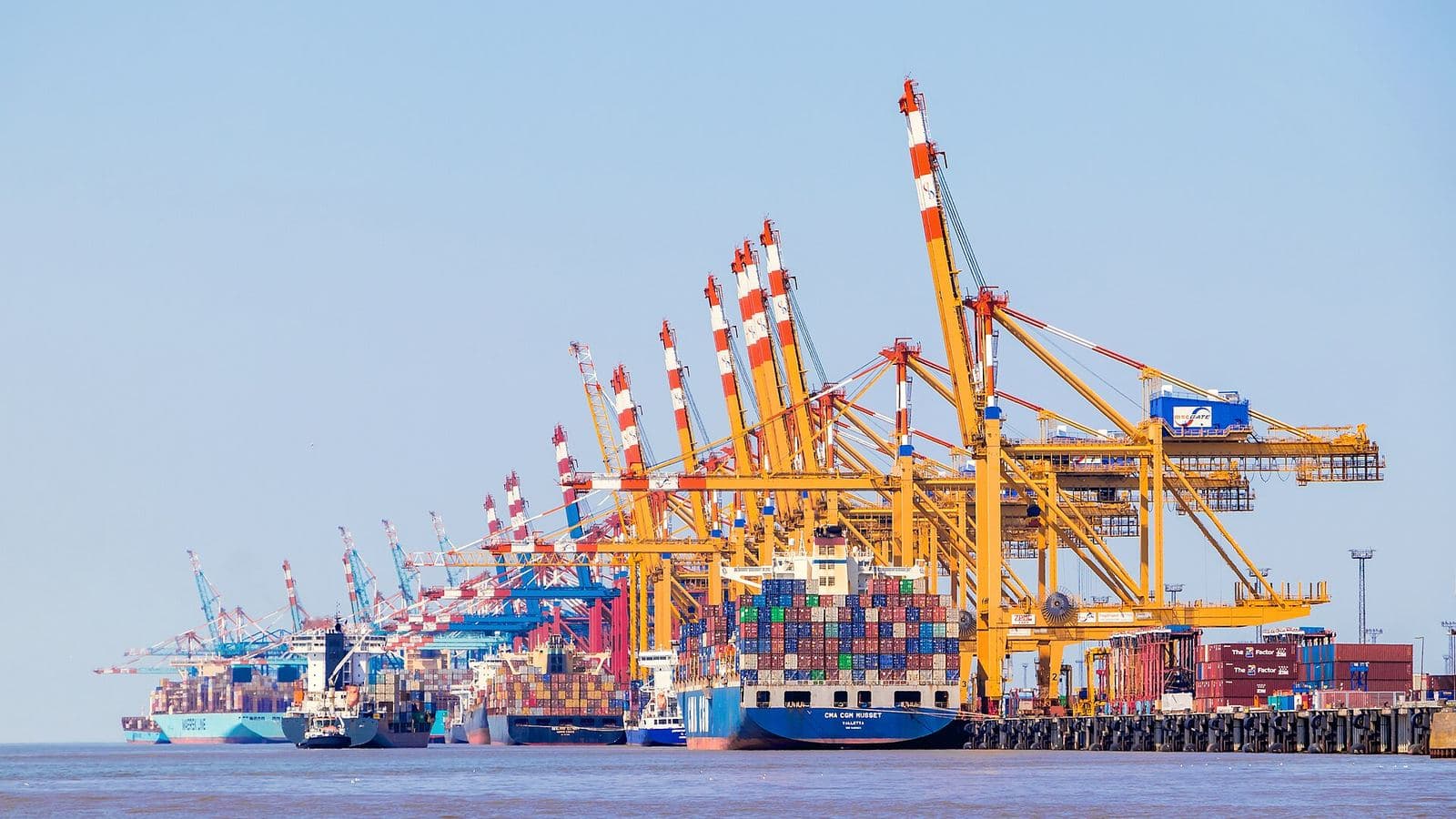
Yard, port and facility access charged on entry.
Waybill, permit and highway charges settled along the transit route.
Allowance payouts with an audit record against the trip.
Revenue distributed between primary providers and sub-contractors.
One movement, many counterparties, settled on defined terms.
Most sectors use three or four of the six layers. The rest are there when the scope grows.
Turn logistics flows into financially connected journeys.
The shift in Logistics
Tell us the interaction you need to price and settle, and we will show you the shortest path through the stack.