Fintech built like deep tech
Financial infrastructure for the physical world depends on technologies well beyond a payment gateway: vision at the edge, inference on-device, and transaction processing that keeps working when the network does not.
- Decision path
- On-device, inside the interaction window
- Network loss
- Store-and-forward, authorised locally
- Deployment
- Active-active, multi-region
Three tiers, one transaction
A transaction crosses the estate in one direction — and each tier is designed to hold its own if the tier above it is unreachable.
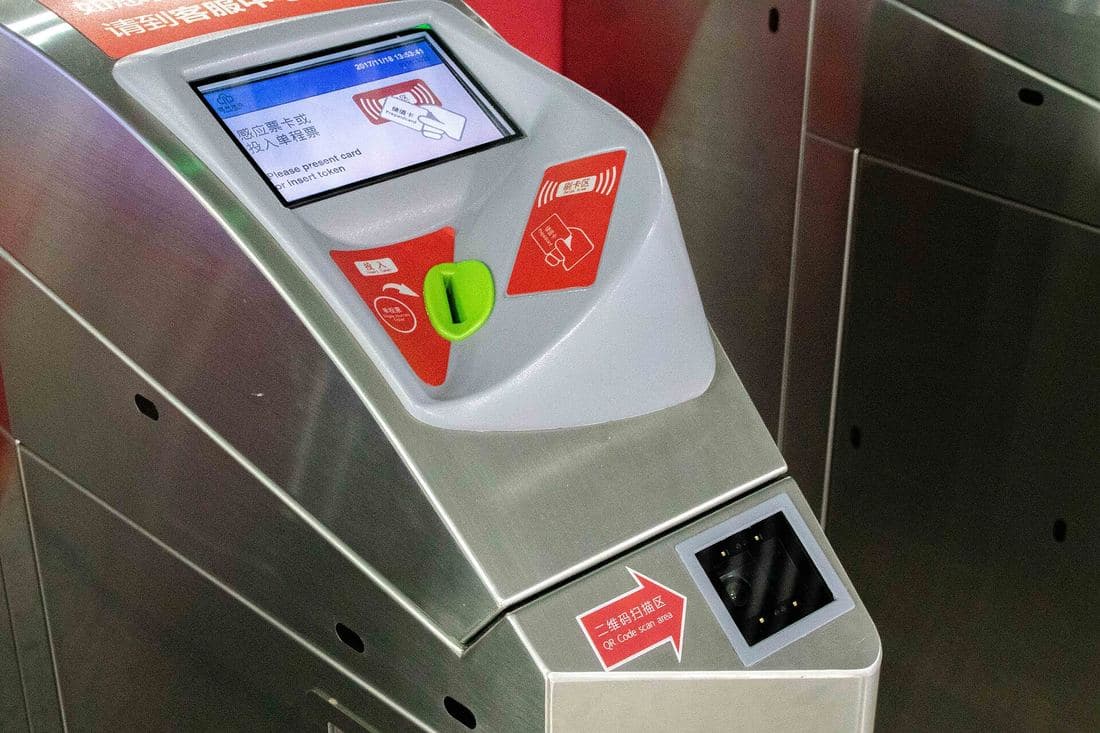
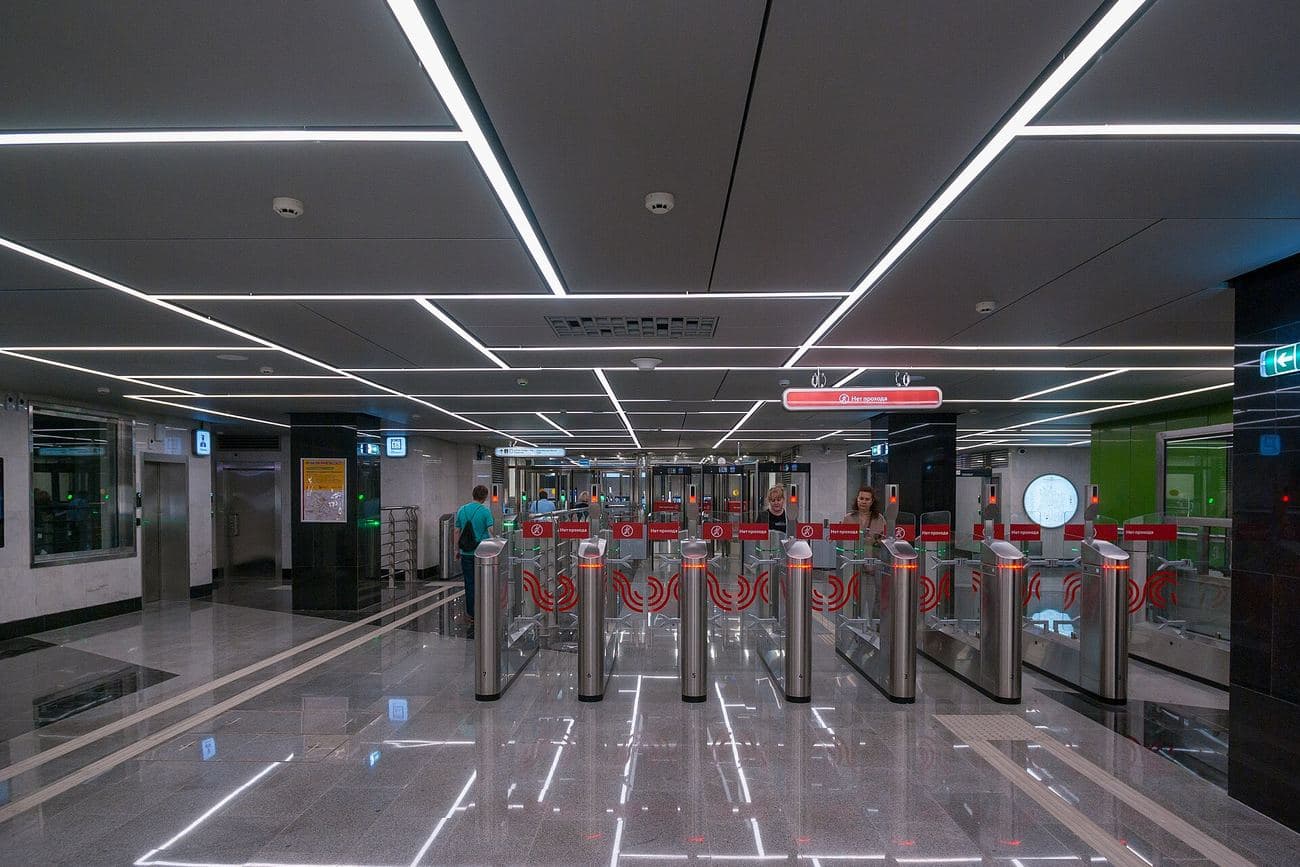
- T1EdgeValidators, on-board units, cameras, meters and controllers. Identity is established and the decision is made here — including when the network is unavailable.
- T2CoreSwitching, fare and rules engines, fraud and entitlement models, orchestration of the amount and its splits.
- T3SettlementClearing, reconciliation and movement of value to each participant, with the transaction context attached.
Payments & switching
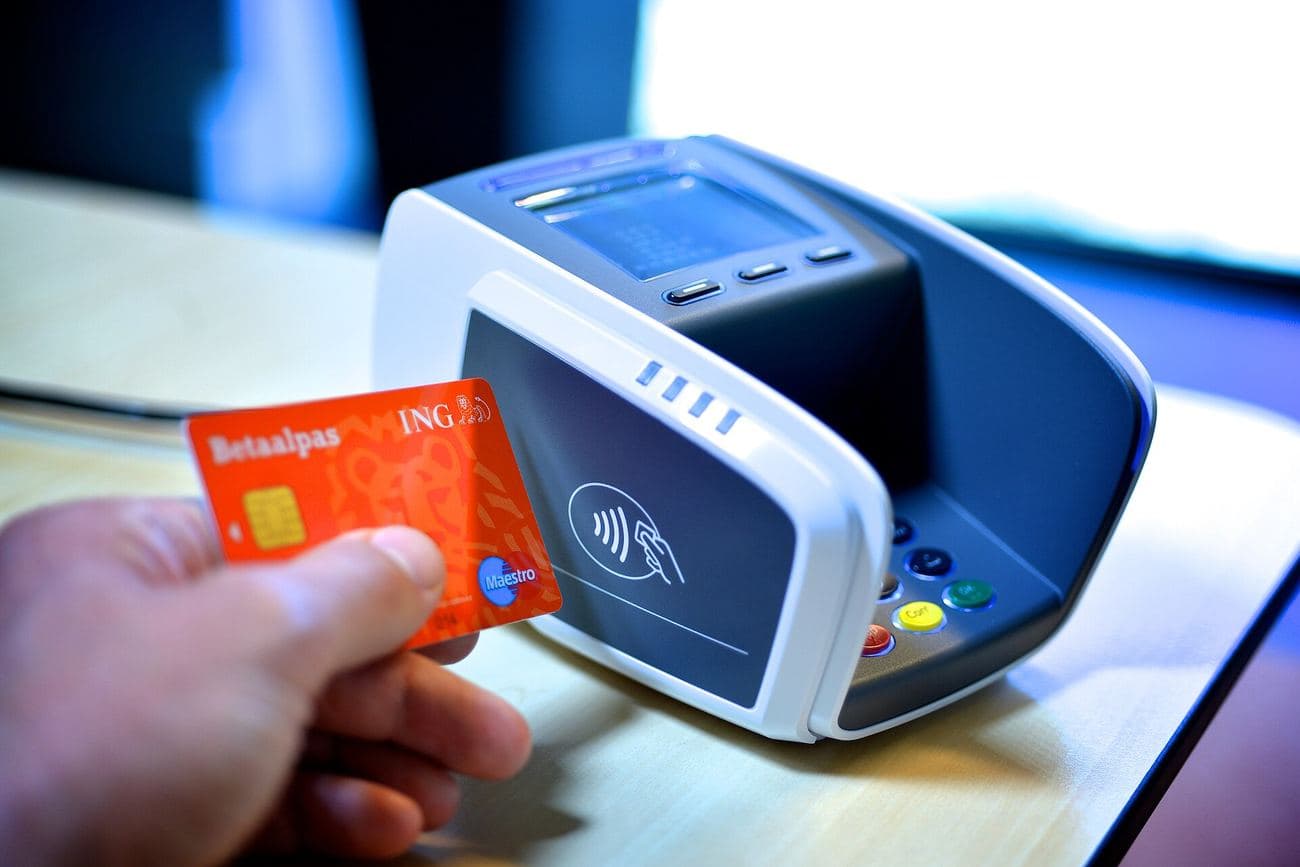
Message switching, orchestration, fare engines and multi-party settlement.
- Transaction switching
- ISO 8583 and ISO 20022 message switching.
- Payment orchestration
- Routing across UPI, EMV cards, NCMC and wallets.
- Fare engines
- Zone-based, distance-based and concession fare calculation.
- Account-based systems
- Central wallet ledger with per-transaction ledger updates.
- Settlement
- Multi-party clearing and scheduled bank batch settlement.
- Reconciliation
- Three-way matching across gateway, bank and terminal logs.
Artificial intelligence
Vision, fraud intelligence and pricing models that run inside the transaction.
- Computer vision
- Item recognition and vehicle number plate recognition at the edge.
- Fraud intelligence
- Behavioural signals and transaction anomaly detection models.
- Behavioural analytics
- Pattern analysis across entities, endpoints and time.
- Visual identity
- Face and palm verification for tapless venue entry.
- Predictive intelligence
- Demand-driven tariff and dynamic pricing models.
Edge computing
Inference and rule execution on the device, inside the interaction window.
- Real-time inference
- Models executed on the validator itself, inside the interaction window.
- Offline-first operations
- Store-and-forward validation when connectivity drops.
- Low-latency decisioning
- Local rule execution for high-throughput gates and toll barriers.
- Secure device computing
- Hardware security modules embedded in terminals.
Connected devices
Validators, on-board units, sensors and controllers as transaction endpoints.
- IoT telemetry nodes
- MQTT and gRPC telemetry streaming from physical endpoints.
- On-board units
- DSRC and FASTag RFID transponders for vehicles.
- Validators & POS
- Ruggedised Android and Linux tap-to-pay validator hardware.
- Sensors & controllers
- Gate actuators, barrier relays and energy meter interfaces.
Cloud
Event-driven, API-first services deployed active-active across regions.
- Cloud-native architecture
- Containerised deployment across multi-cloud regions.
- Microservices
- Independently deployable services behind a shared API surface.
- Event-driven systems
- Event-streaming architecture for sustained transaction volume.
- API-first infrastructure
- REST, GraphQL and gRPC endpoints for integration.
- High availability
- Active-active multi-region deployment with automated failover.
Security
Tokenisation, device PKI and zero-trust segmentation across the estate.
- Encryption
- AES-256 at rest and TLS 1.3 in transit.
- Tokenisation
- Instrument data replaced by tokens across the estate.
- Compliance alignment
- Built to the requirements of PCI DSS and NCMC programmes.
- Device authentication
- PKI-based key rotation for every connected device.
- Transaction monitoring
- Continuous monitoring of transaction and device behaviour.
- Zero-trust architecture
- Micro-segmentation with explicitly authorised cross-layer calls.


Want the architecture detail?
We can walk through deployment topology, offline behaviour, key management and throughput figures for your estate.