Platform

One infrastructure. Every transaction.

We bring together the technologies required to take a transaction from the physical world all the way to financial settlement.
  • 6layers
  • 10payment rails
  • 9endpoint classes
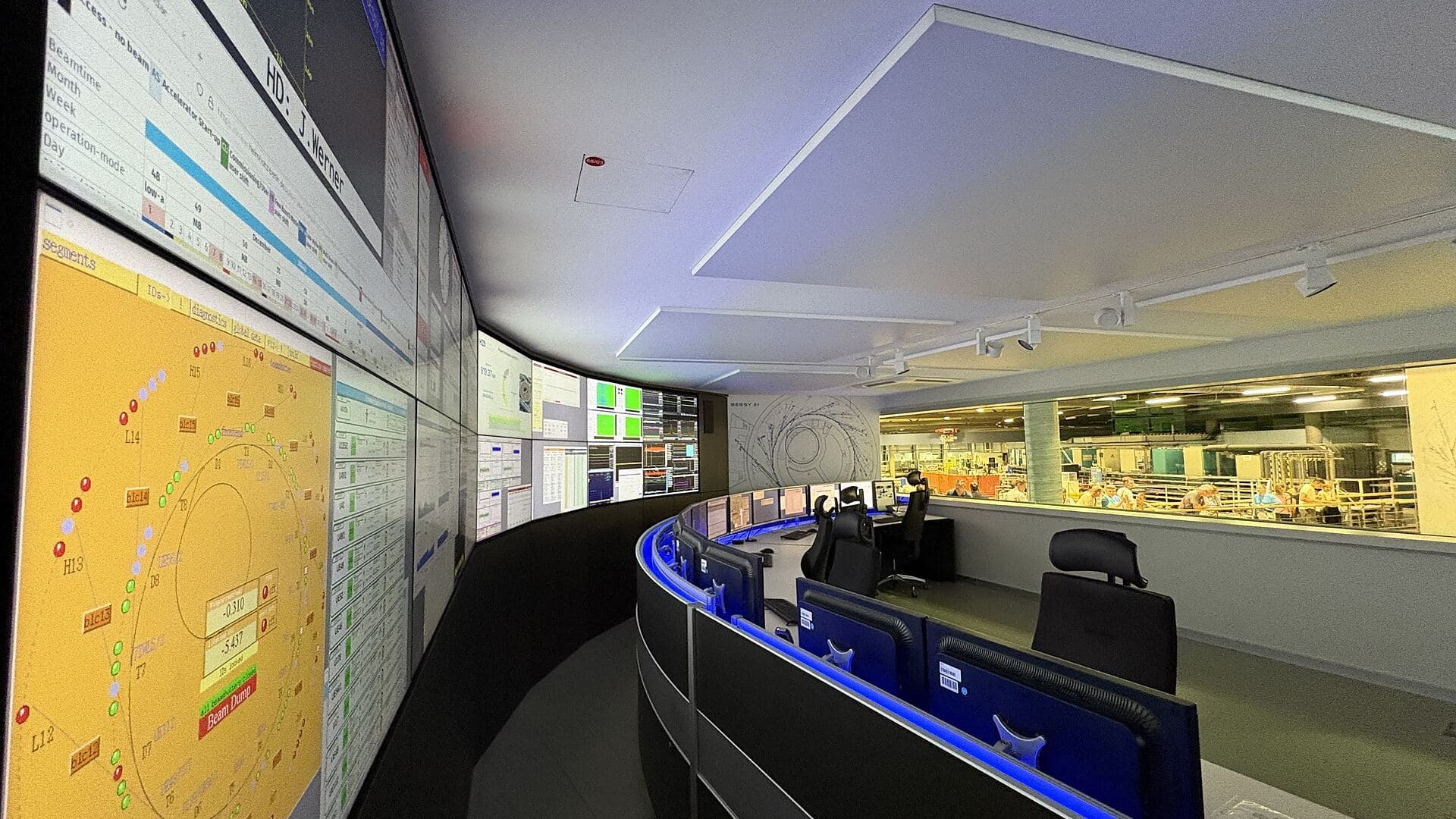
A large operations control room, banks of consoles facing a wall of screens
01Identify02Connect03Transact04Orchestrate05Intelligence06Financial AI
Layer 01 — Identify

Know who, or what, is transacting.

Identity is no longer limited to usernames and cards. The identity layer combines digital credentials, computer vision, vehicle recognition, device identity and intelligent authentication to establish trust at the point of interaction.
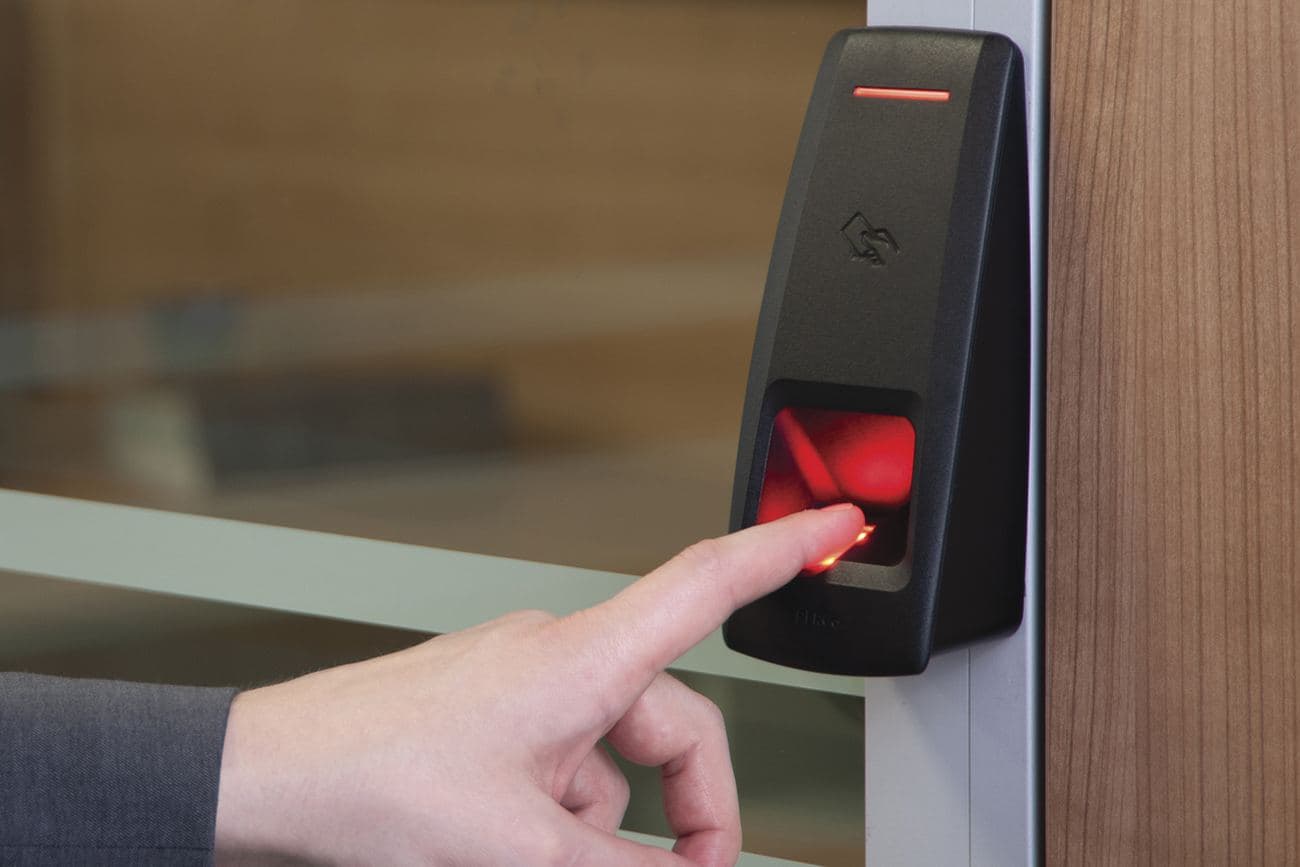
A finger resting on a wall-mounted biometric access readerIdentity at the endpoint

Five kinds of party can hold an identity

Each is established at the moment of interaction and carried into the transaction record, so the question of who owes and who is owed is answerable later.

Person
Digital credential, pass or biometric presented at the point of interaction.
Vehicle
On-board unit, number plate or vehicle key recognised as the transacting party.
Device
A terminal, validator or meter with its own attested device identity.
Machine
An autonomous system acting under rules, without a person present.
Asset
A container, charger or gate identified as part of the transaction record.
Layer 02 — Connect

Bring the physical world onto the financial network.

Transactions increasingly begin at the edge. Connected infrastructure turns physical endpoints into intelligent transaction endpoints — able to authorise locally when the network is unavailable.
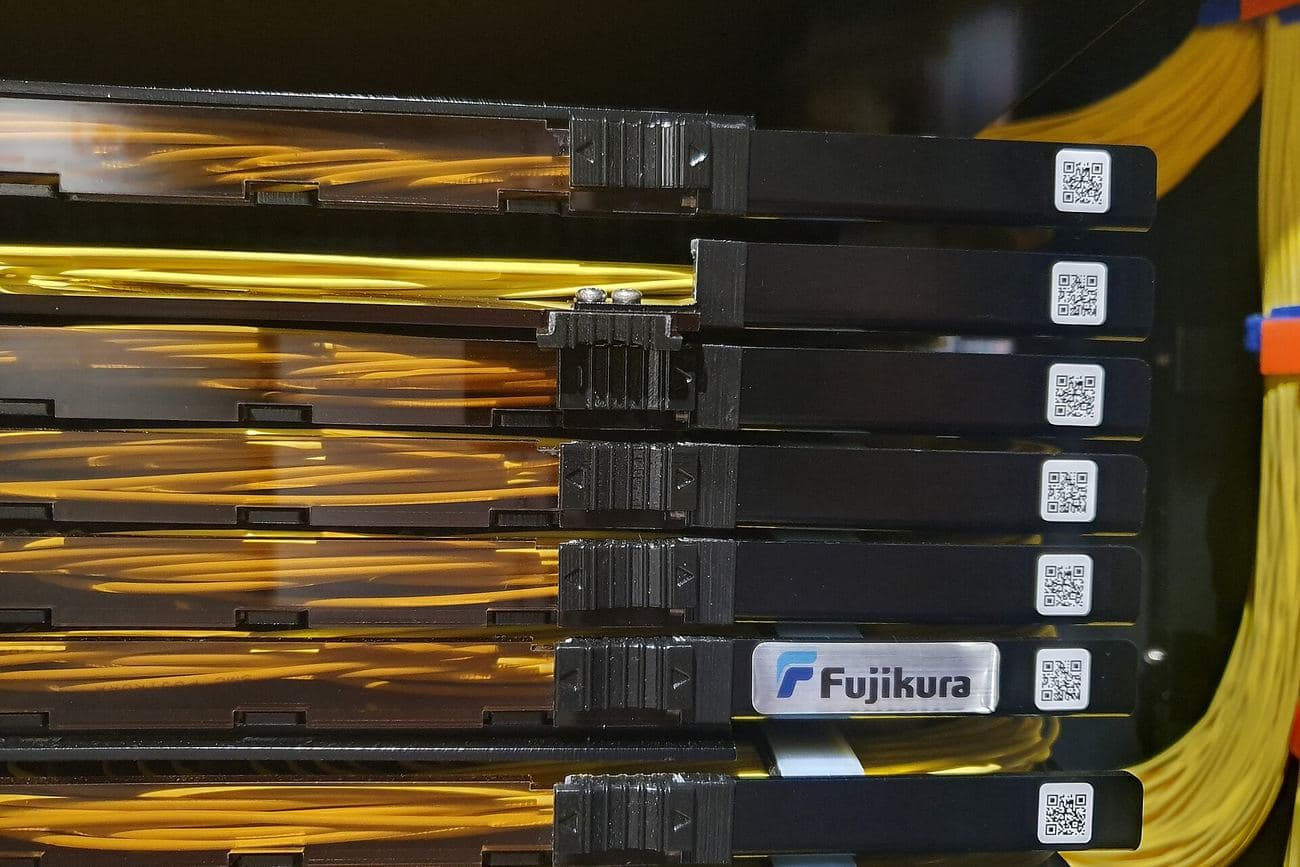
A fibre optic patch panel, bundles of yellow strands fanning outEdge layer

Nine classes of transaction endpoint

Every one of these is a place a transaction can start. Treated as infrastructure rather than peripherals, they keep working through a network outage and reconcile when the link returns.

  • Validators
  • Gateways
  • On-board units
  • POS devices
  • Smart terminals
  • IoT nodes
  • Cameras
  • Controllers
  • Edge AI systems
Layer 03 — Transact

Move money seamlessly across ecosystems.

A unified transaction engine orchestrates financial interactions across national payment rails, smart cards, closed-loop instruments and machine-initiated microtransactions.
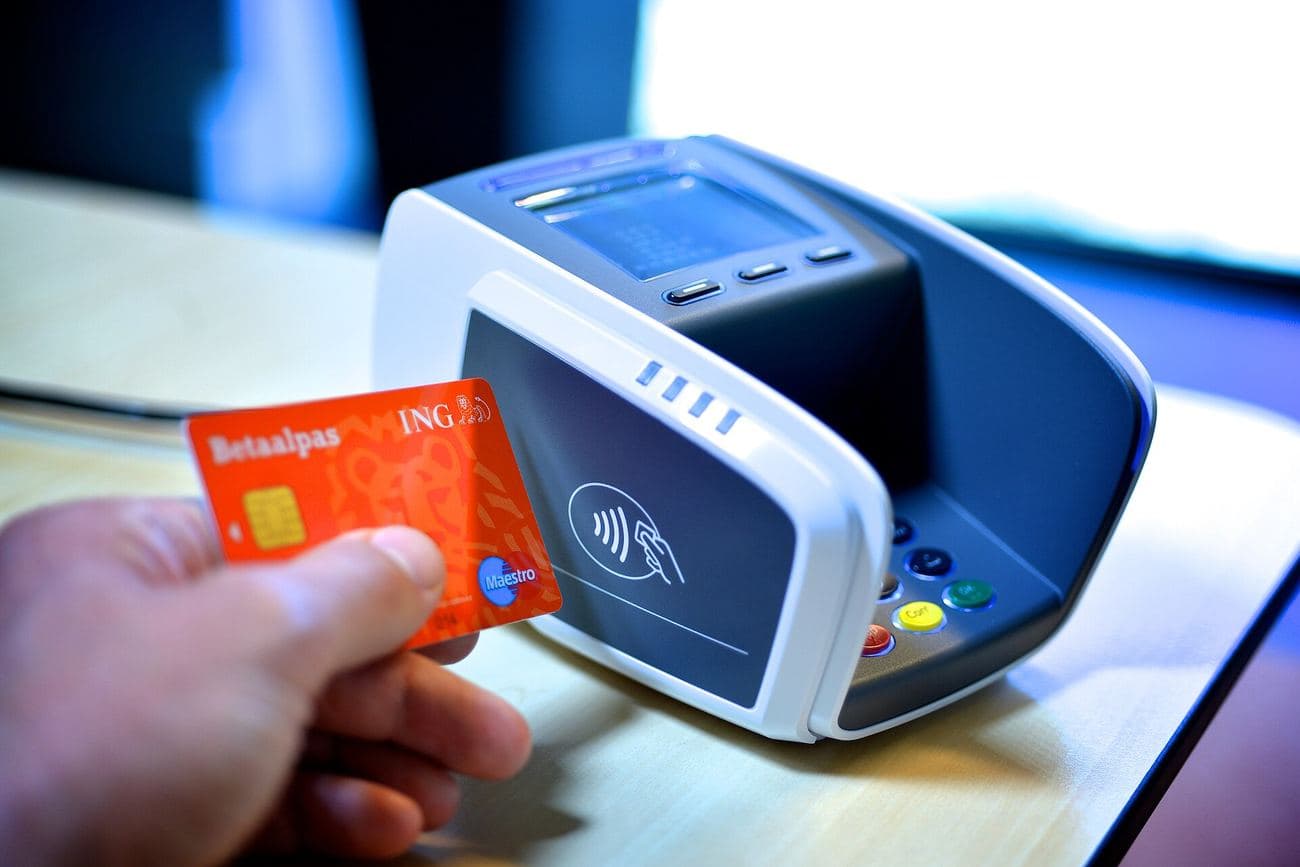
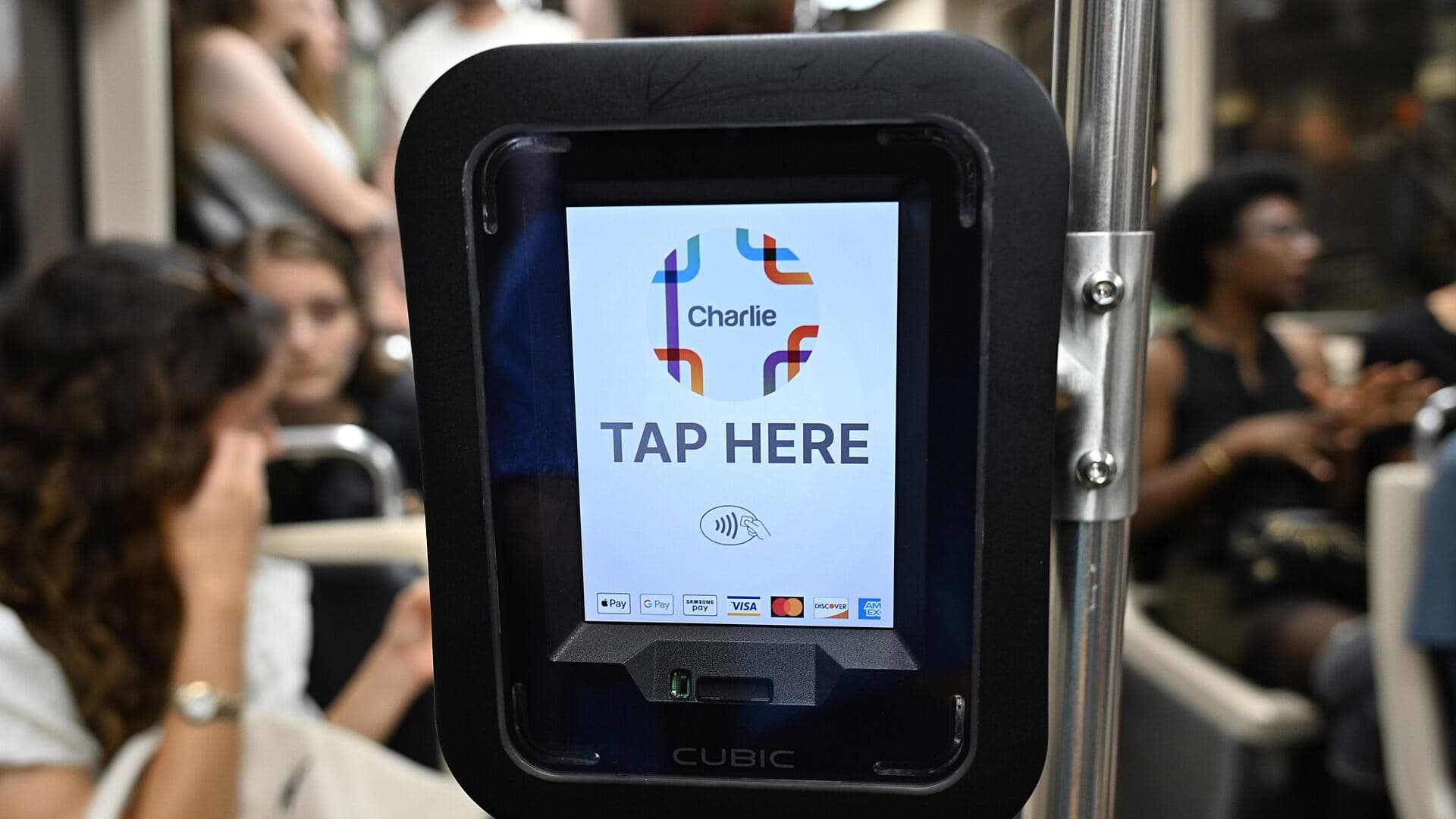
A contactless bank card held against a payment terminalTransaction layer

Ten rails, one integration

The instrument a customer chooses stops being an architectural decision. The same transaction engine handles a tap, an intent, a token and a machine-initiated charge.

Supported rails
  • UPI
  • Cards
  • NCMC
  • QR
  • Wallets
  • Account-based payments
  • Closed-loop systems
  • Open-loop systems
  • Recurring payments
  • Microtransactions
Layer 04 — Orchestrate

Complex transactions are more than payments.

Modern ecosystems involve multiple participants. A single amount collected at a gate may be owed to five different parties on five different terms. We provide the financial logic underneath.
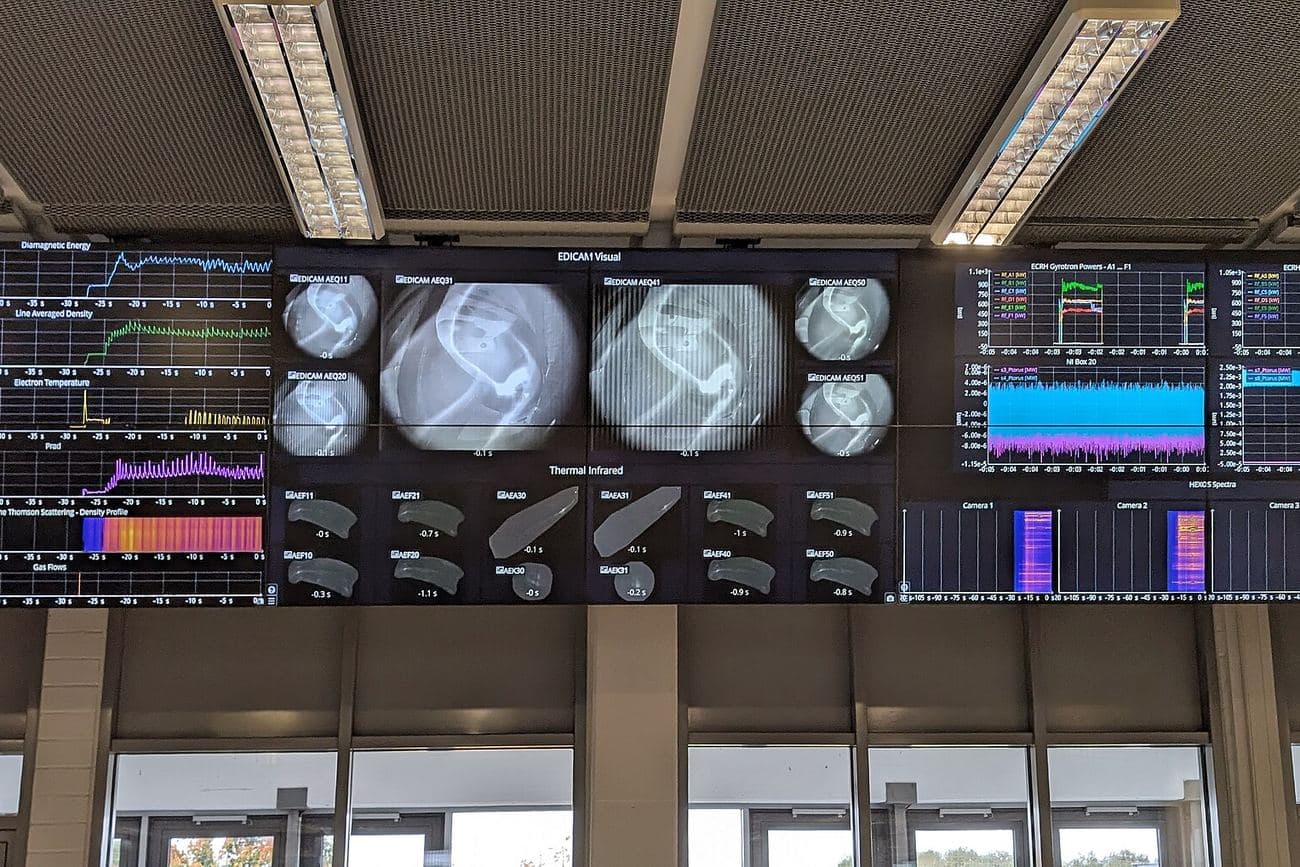
A wall of diagnostic monitors and gauges in a control roomOrchestration layer

One transaction, five recipients

₹100 is collected once at the point of interaction. The orchestration layer resolves what each participant is owed and settles to them on their own cycle.

  • 60.00Service operator60%
  • 20.00Infrastructure provider20%
  • 10.00Platform10%
  • 5.00Government levy5%
  • 5.00Partner5%
What orchestration covers
  • Fare calculationDistance, zone, time and product rules resolved per journey or session.
  • EntitlementsConcessions, passes and benefits verified before the amount is fixed.
  • ClearingObligations established between the participants in each transaction.
  • ReconciliationDevice, transaction and bank records matched into one accountable position.
  • Revenue sharingDefined splits applied automatically at settlement.
  • RefundsReversals traced to the original interaction and its splits.
  • DisputesCase handling backed by the context captured at the point of interaction.
  • SettlementValue moved to each participant on its own cycle.
Layer 05 — Intelligence

Every transaction carries context.

A payment record states an amount. Infrastructure positioned at the point of interaction can state the whole event — and that difference is what makes revenue, entitlement and settlement questions answerable.
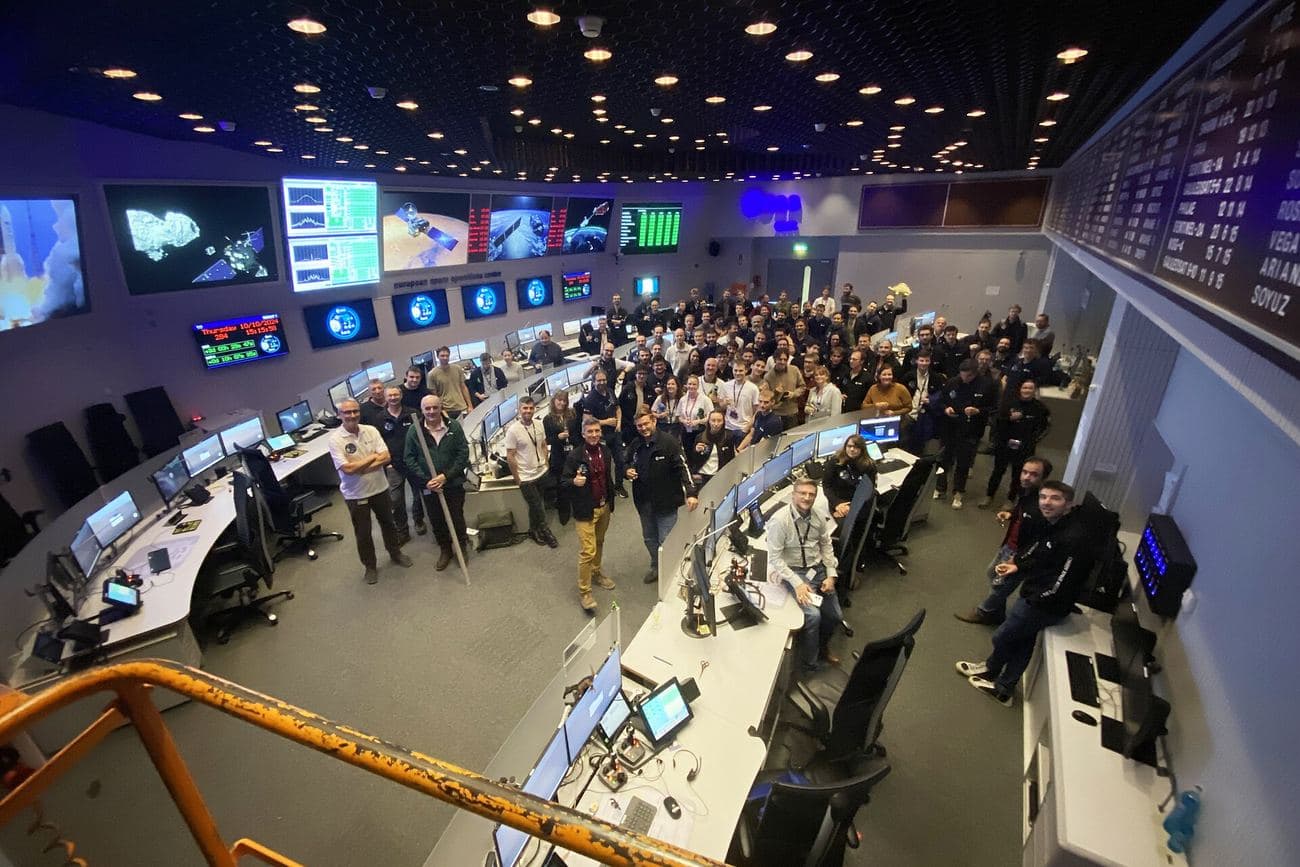
A control room facing a wide data wall of live dashboardsIntelligence layer

A payment system records ₹500 was paid.

Amount, timestamp, instrument. Nothing about the entity, the entitlement, the asset, or the basis for splitting the money. Our infrastructure records all eight of the following instead.

  • Who transacted.
  • What they consumed.
  • Where it happened.
  • Which asset was involved.
  • What price should apply.
  • Whether they were entitled.
  • Whether the transaction was genuine.
  • Who should ultimately receive the money.

That context turns payment data into transaction intelligence.

Layer 06 — Financial AI

Intelligence inside the transaction.

AI becomes part of the financial decision itself, rather than a report produced after the fact. The intelligence layer helps determine, in the moment:
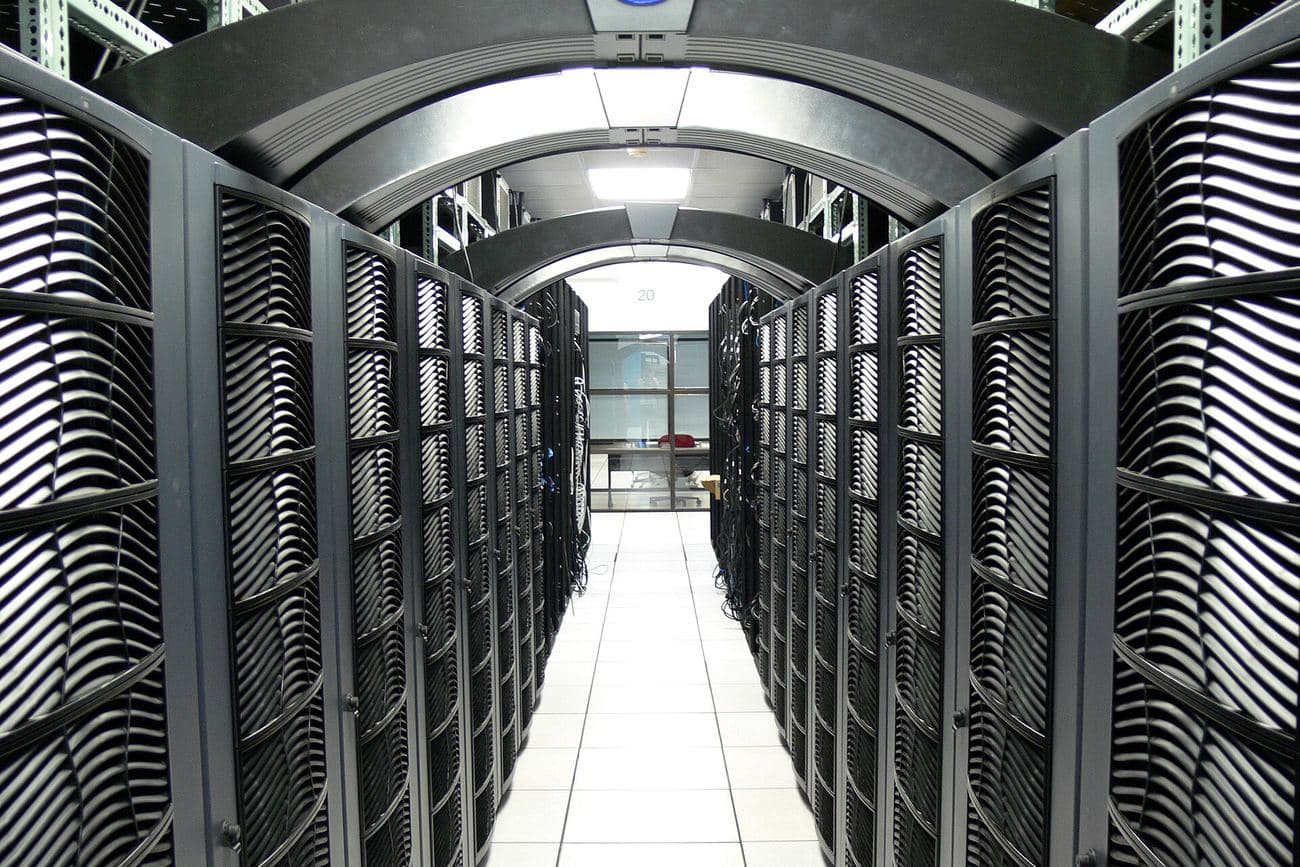
  • A long aisle between server cabinets in a data centre

    Is this transaction genuine?

    Answered inside the authorisation path, in the milliseconds before the amount is fixed — not in a report produced the following month.

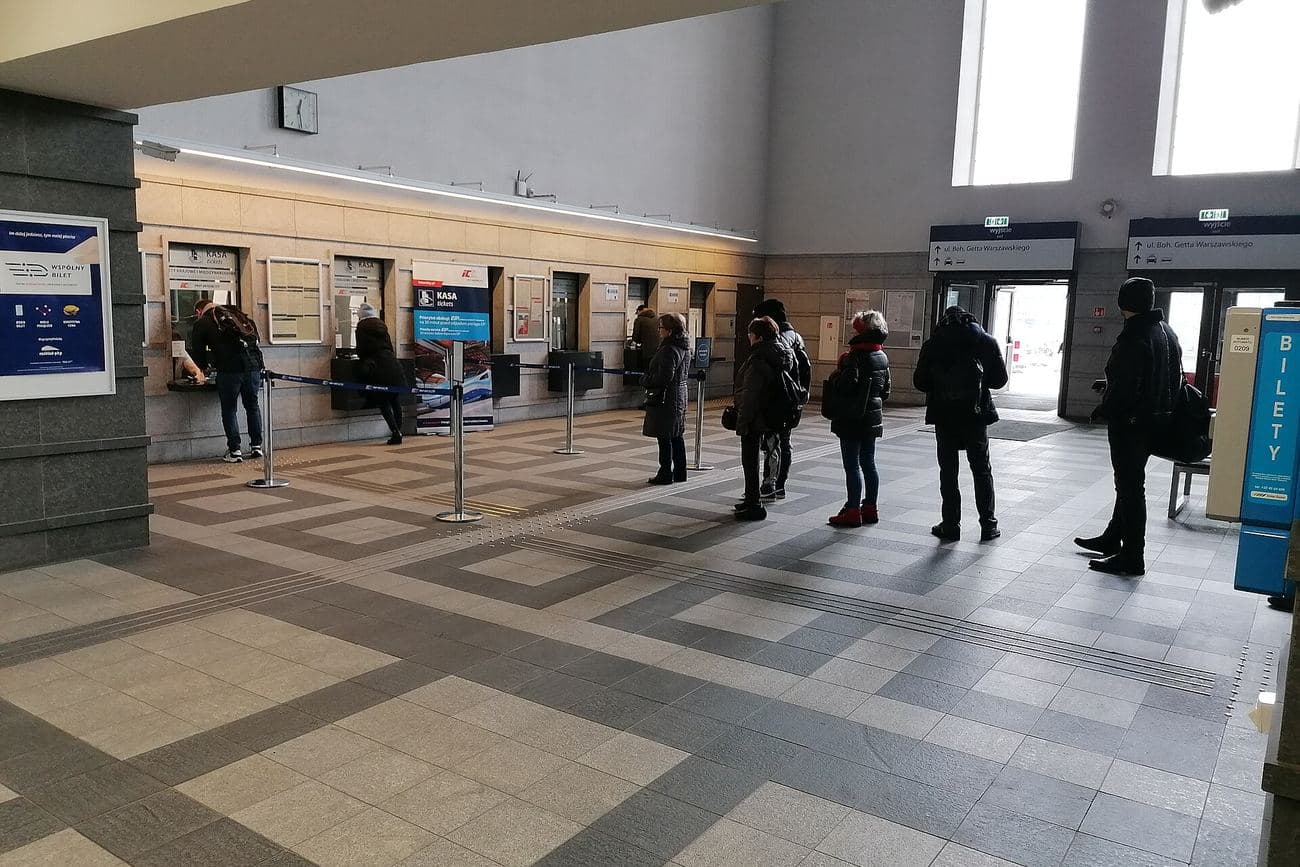
  • People queueing at self-service kiosks in a public service hall

    Is this customer entitled to a concession?

    Answered inside the authorisation path, in the milliseconds before the amount is fixed — not in a report produced the following month.

  • A contactless bank card held against a payment terminal

    Is the correct amount being charged?

    Answered inside the authorisation path, in the milliseconds before the amount is fixed — not in a report produced the following month.

  • A control room facing a wide data wall of live dashboards

    Is unusual behaviour occurring?

    Answered inside the authorisation path, in the milliseconds before the amount is fixed — not in a report produced the following month.

  • A wall of diagnostic monitors and gauges in a control room

    Is revenue leaking from the system?

    Answered inside the authorisation path, in the milliseconds before the amount is fixed — not in a report produced the following month.

  • A finger resting on a wall-mounted biometric access reader

    Should this require additional authentication?

    Answered inside the authorisation path, in the milliseconds before the amount is fixed — not in a report produced the following month.

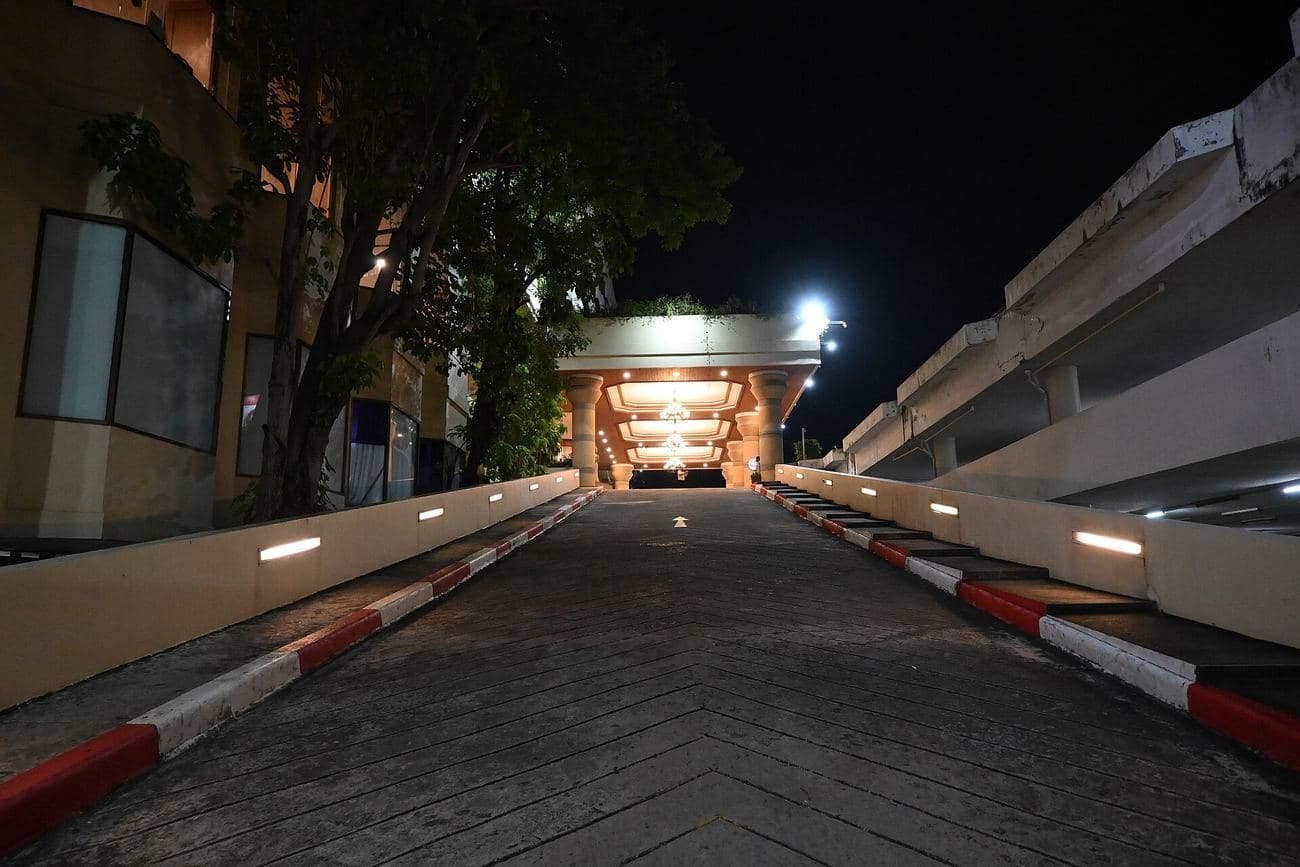
  • A vehicle barrier at the mouth of a lit access ramp at night

    Can pricing respond dynamically to demand?

    Answered inside the authorisation path, in the milliseconds before the amount is fixed — not in a report produced the following month.

The evolution

Process → Understand → Decide → Transact

Identity, context, intelligence, transaction, settlement and insight — brought together into one infrastructure layer.

The financial operating system

Which layers do you need?

Most projects start with two or three. Tell us what you are building and we will map it against the stack.