The financial operating system for the physical economy
The long-term opportunity is larger than payments. As the physical world becomes connected, every economic interaction requires the same six capabilities.
Six capabilities
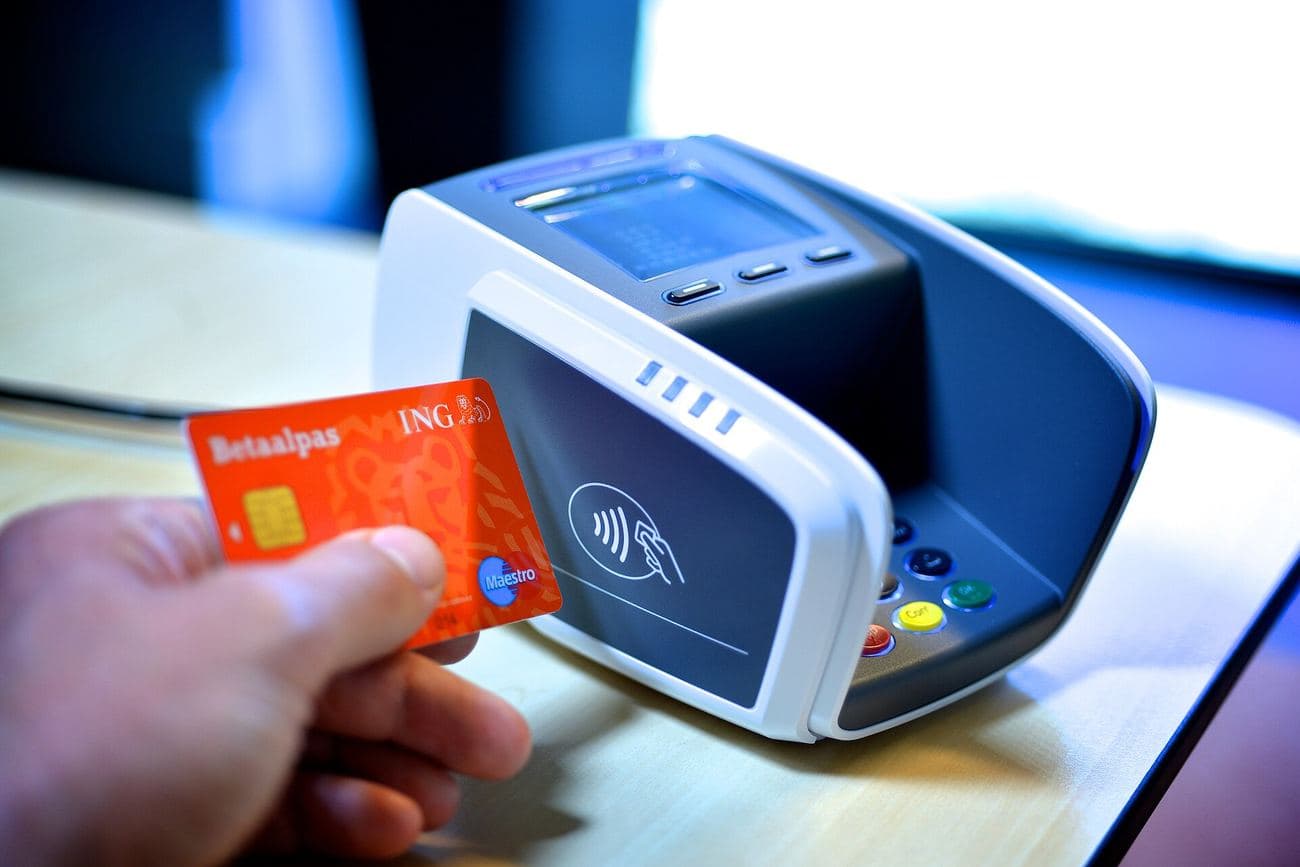

Where people, vehicles, devices and machines interact economically with minimal friction.
The destination
From digital payments to autonomous commerce
The evolution of financial technology is already underway. Each stage assumes the one before it, and none of them replaces the need for the layer underneath.
- Stage 01
Payments
A card swipe or QR scan at a static checkout.
- Stage 02
Embedded payments
Checkout integrated into the rider, retail or commerce application.
- Stage 03
Contextual transactions
Location, asset and telemetry determining the price that applies.
- Stage 04
Connected commerce
People, vehicles and devices transacting through their own credentials.
- Stage 05
Embedded finance
Credit, insurance and concession terms resolved inside the transaction.
- Stage 06
Machine-to-machine transactions
Meters and chargers settling directly with the networks they use.
- Stage 07
Autonomous commerce
Connected entities interacting economically with minimal human friction.
We are building the layer underneath all of it.
If you are planning infrastructure that has to last a decade, the question is not which payment method to accept — it is which capabilities you will need to own.