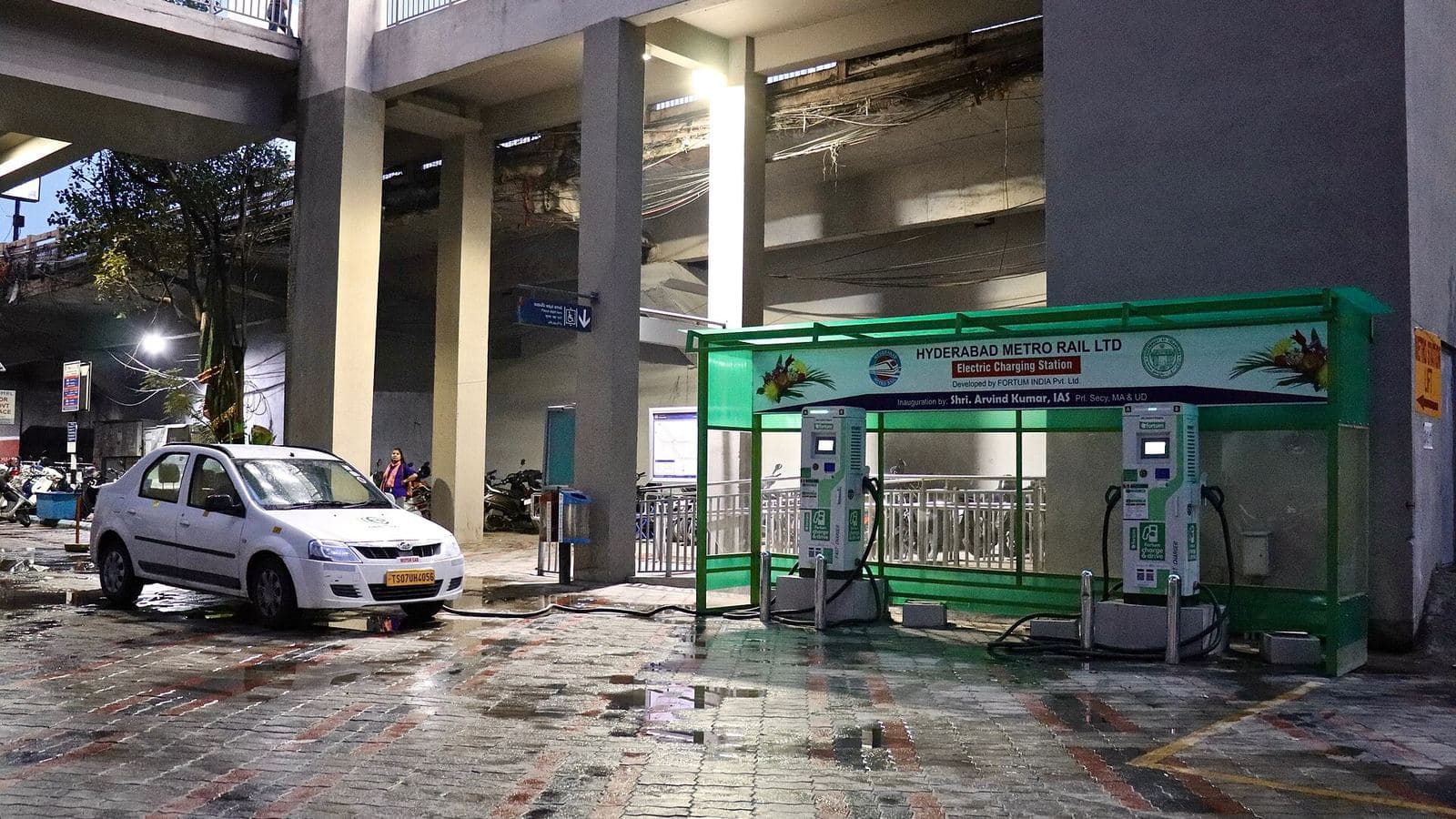
An EV authenticates itself to a charger.
The machine holds its own credential and the rules governing what it may spend. No person is in the loop at the moment of the charge.
The internet connected billions of people. IoT connected billions of devices. The next step is to give those connected entities the ability to participate economically.
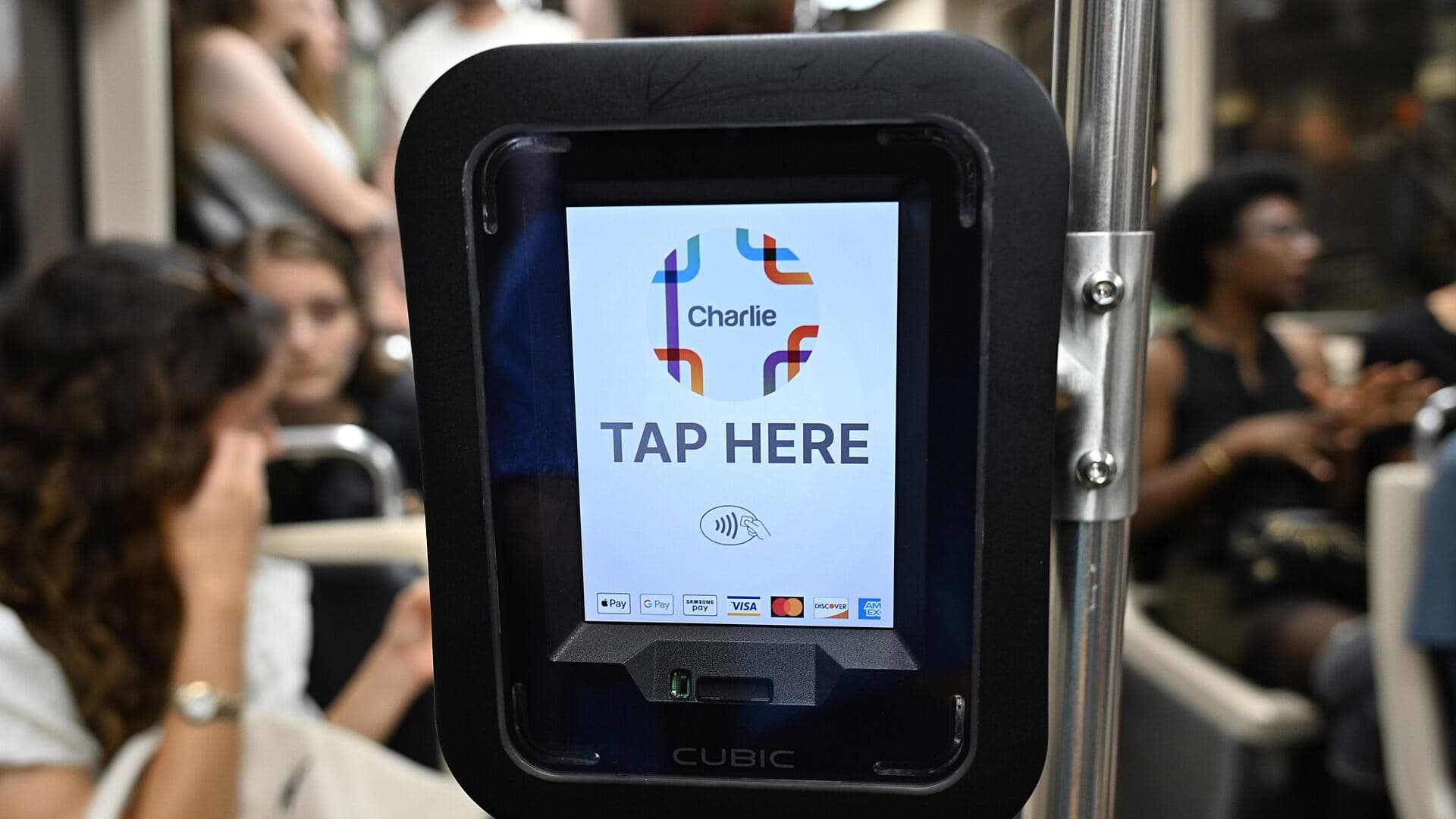
Four steps collapse into one interaction. Digital credentials, vision-based identity and NCMC cards let a person enter, authenticate, consume and pay without stopping to transact.
 People
Today these are four separate moments, each with its own queue, device or app. When identity is established once at the point of interaction, they become a single event that the person never has to manage.
A vehicle already carries identity, location, movement and purpose. Connect it to a financial account and it becomes an economic participant in its own right.
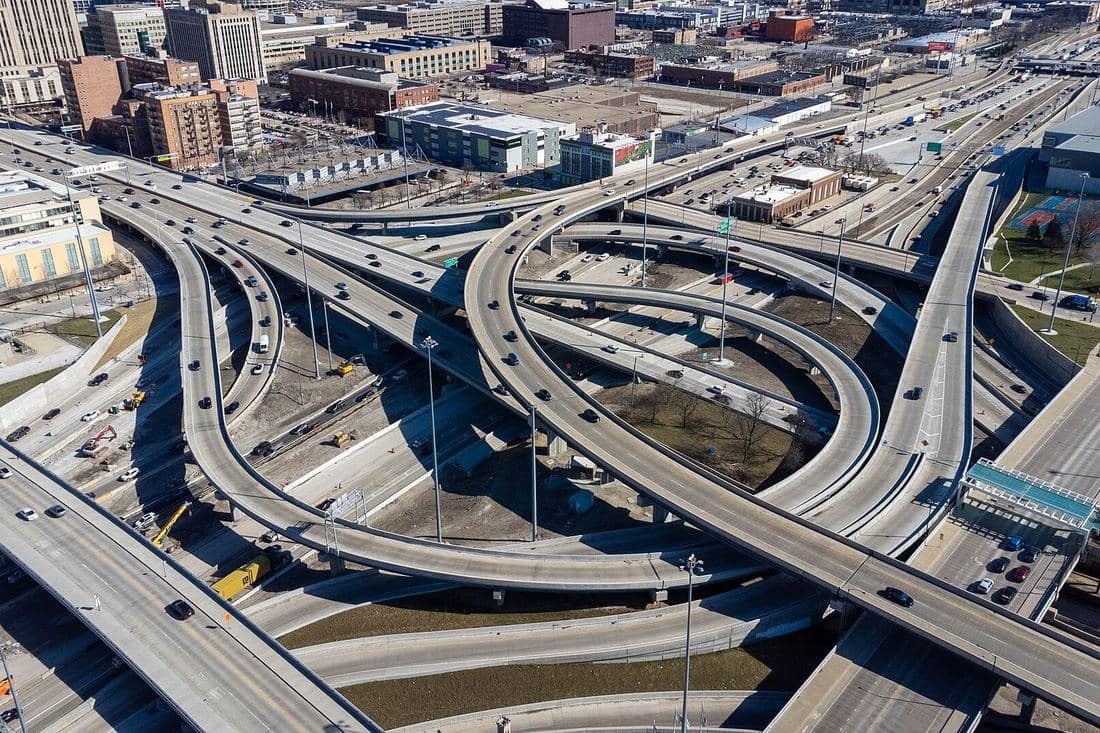 Vehicles
None of these attributes has to be added. They are already present in a connected vehicle — the financial layer simply gives them a commercial meaning.
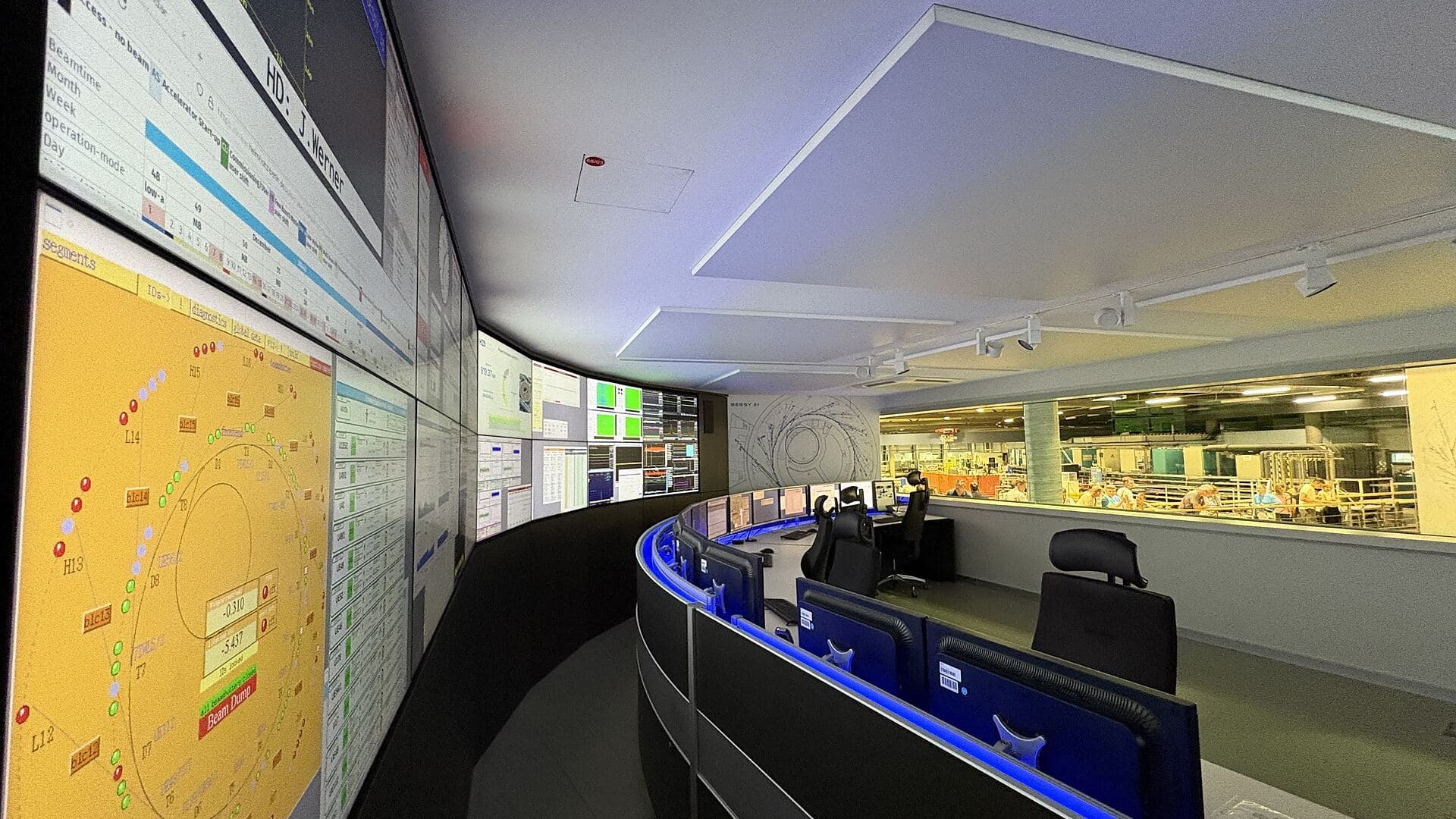
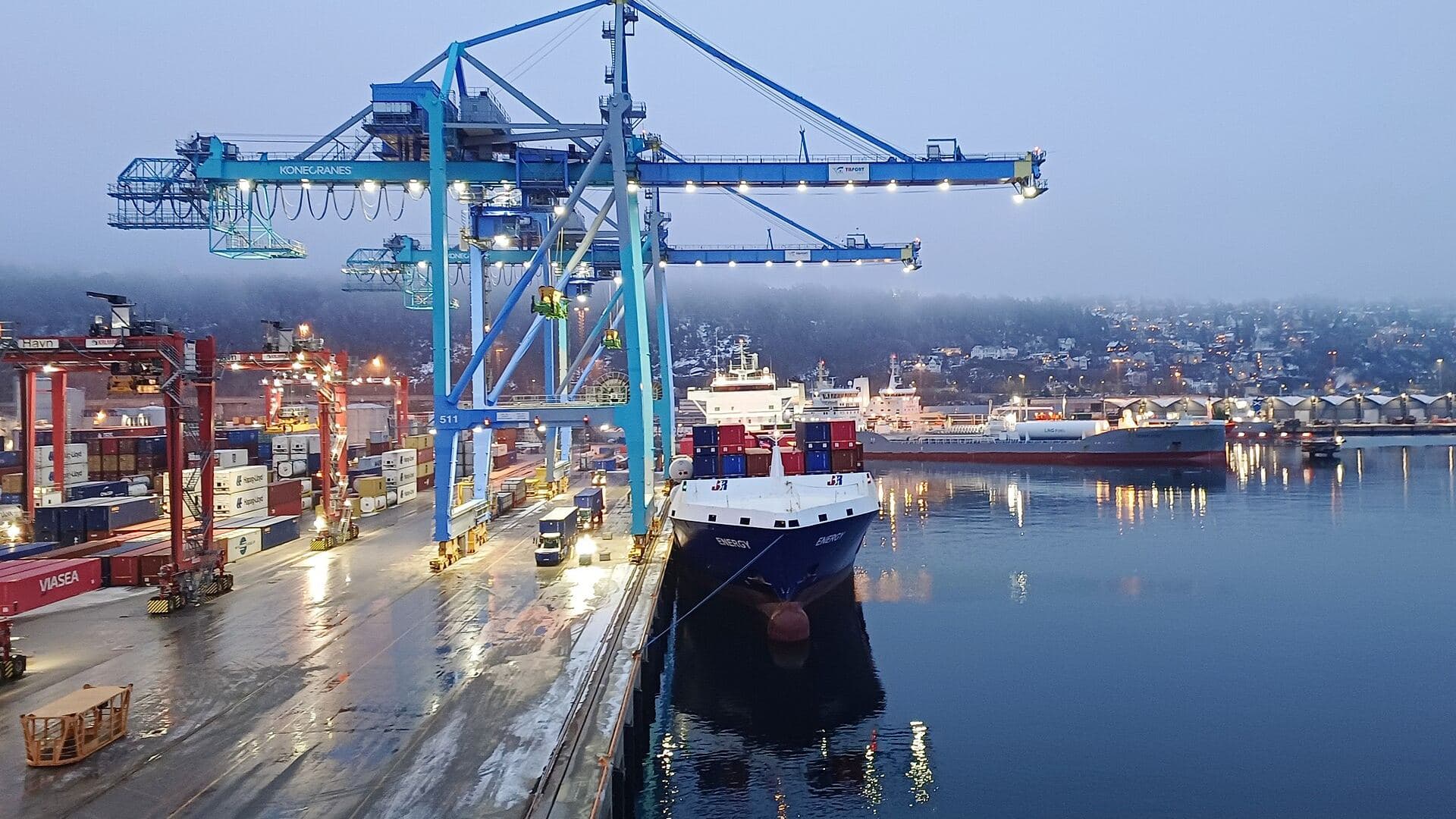
As infrastructure becomes autonomous, transactions increasingly happen without a human manually initiating every payment.
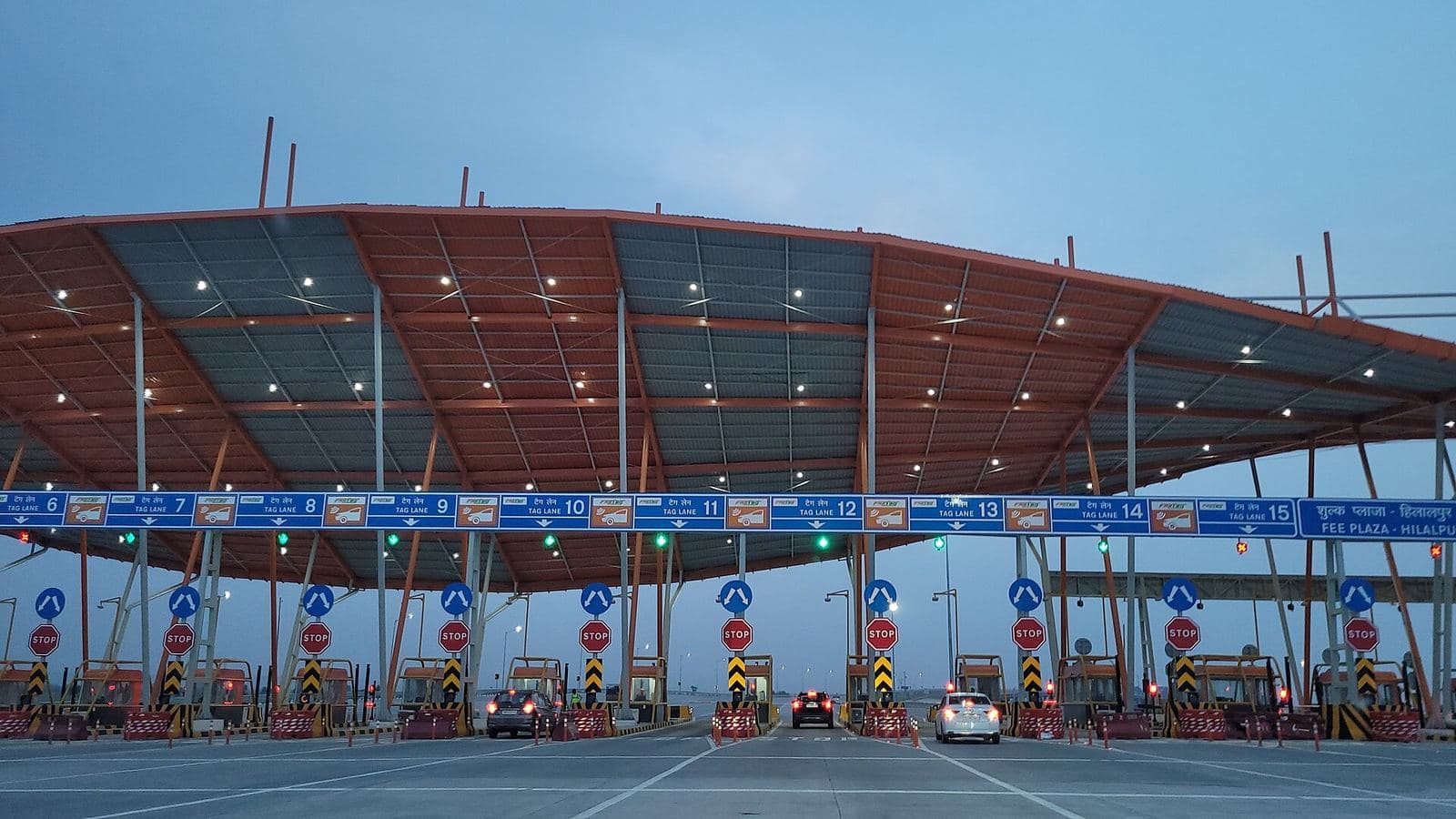
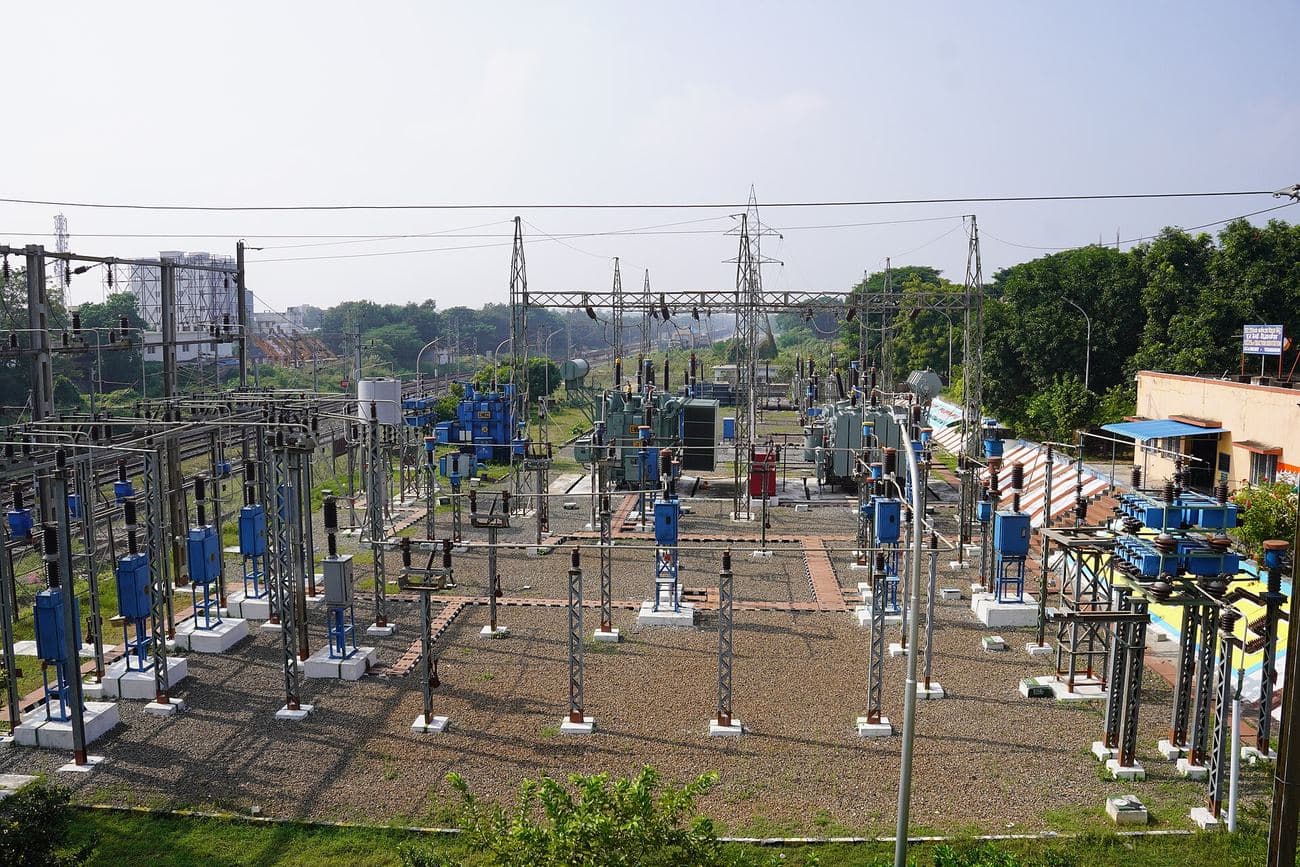
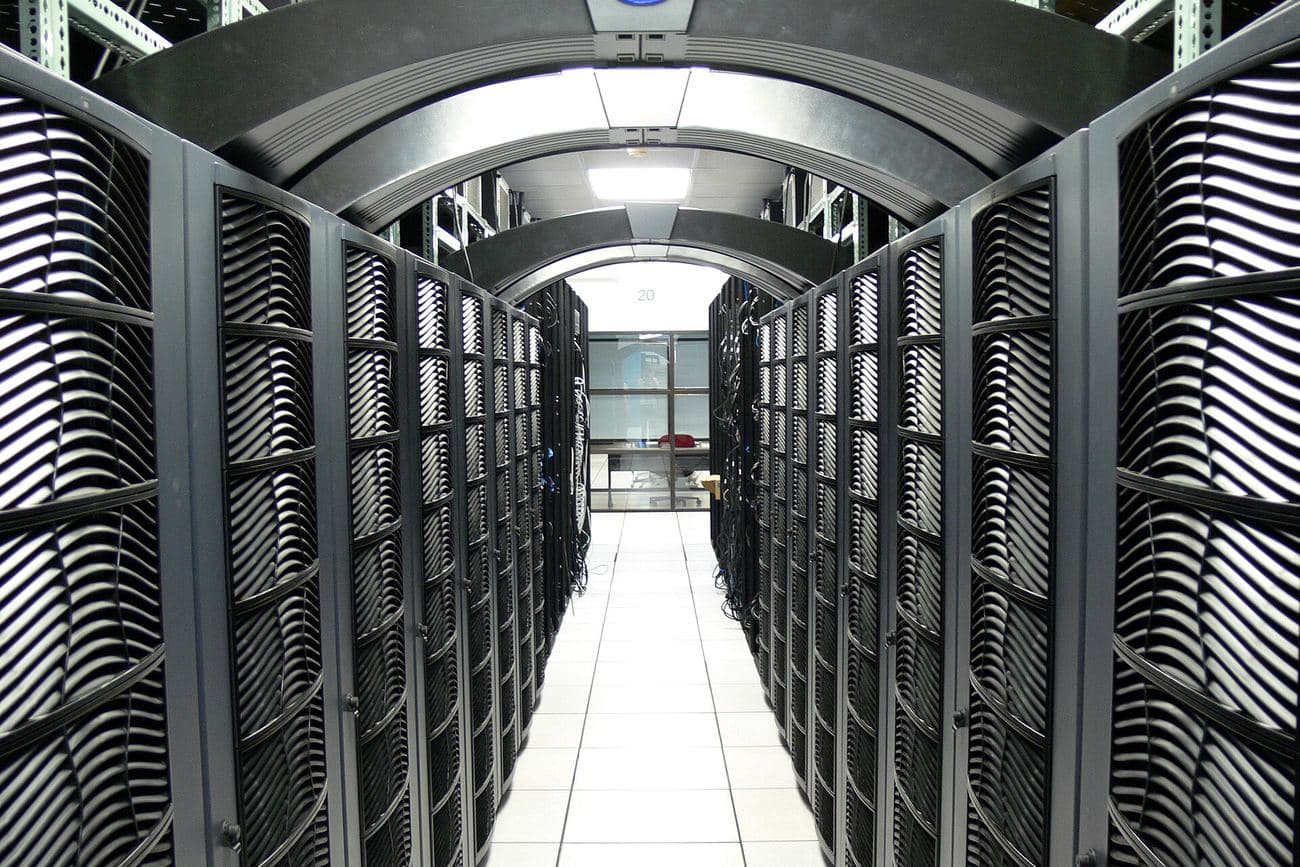
Machine → Identity → Rules → Transaction → Settlement
This is the foundation for machine-to-machine commerce.
Whether the participant is a person, a vehicle or a machine, the identity, rules and settlement logic are the same infrastructure.